


Visitor Management With Turnstiles in 2026: What Counts As A "Valid Pass"

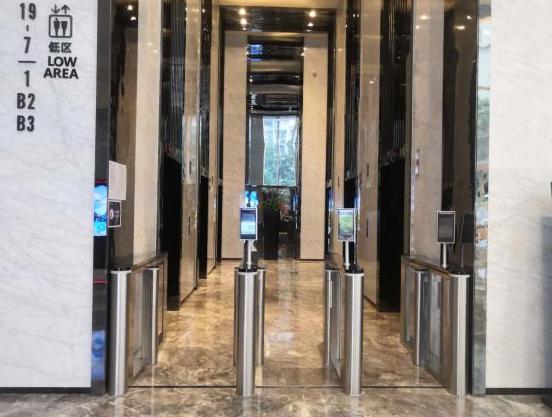
Visitor Management With Turnstiles starts with one simple question: what counts as a "Valid Pass" in your building, and how do you make that rule clear for every visitor in 2026?
Valid Pass Is a Rule, Not a Scan
Many beginners assume a valid pass equals "a successful card read." In real Visitor Management With Turnstiles projects, that assumption creates problems: people scan and wait, scan twice, turn back, or try to follow someone else. The result is confusion at the lane and messy records for security.
At Turboo, we define Valid Pass as a complete event, not a single moment. A valid pass means the system can answer four questions with confidence:
• Who was allowed (identity approved)
• When they were allowed (within a time window)
• Which direction they were allowed (one-way logic)
• Whether the passage actually happened (completed movement through the lane)
If any one of these is missing, the pass should be treated as incomplete or abnormal. This is how modern sites keep flow smooth while staying strict on rules.
The 4-Part Structure of a Valid Pass in 2026
A good Valid Pass design works like a checklist. You can use different technologies, but the structure stays the same.
1) Identity Is Approved
The system must confirm a valid credential. In Visitor Management With Turnstiles, this could be:
✓ IC or ID card
✓ QR / scanning credential
✓ Face recognition
The point is not the method. Consistency you can trust: each credential type maps to a repeatable response and a clear "go/no-go" verdict.
2) Direction Is Locked
The grant fixes the direction. Once approved, only forward movement is permitted; midcourse reversal is treated as abnormal.
This is where anti-reverse pass becomes part of Valid Pass logic. It stops "half passes" and prevents misuse such as someone scanning, stepping in, then backing out while another person tries to enter.
3) Time Window Is Controlled
In 2026, a valid pass must happen within a defined time window. Otherwise, entrances become vulnerable during peak hours.
Turboo lanes support an automatic reset concept: after authorization, if the visitor does not pass within the set time, the system returns to locked status. This turns a scan into a controlled "permission moment," not an open-ended allowance.
Why this matters:
✓ Reduces tailgating opportunities after a delayed entry
✓ Prevents accidental "lane staying open" behavior
✓ Makes logs easier to interpret because each attempt has a clear time boundary
4) Passage Is Completed
A scan without movement is not a pass. A valid pass should end only after the person actually completes the lane.
This is also why features like anti-tail matter. A Valid Pass should represent one authorized person passing once. If the system allows two people to follow on one authorization, the "valid pass" concept becomes meaningless for security and auditing.
"With Memory" Vs "Without Memory": Valid Pass Behavior Changes
One of the most underestimated settings in Visitor Management With Turnstiles is card "with memory" vs "without memory." It directly affects what the system considers a valid pass attempt, especially when visitors hesitate.
Practical difference:
• Card With Memory: A short authorization window is held, letting users complete entry even if they pause.
• Card Without Memory: The lane enforces immediate movement; stopping or slowing too much cancels the pass. If the visitor does not complete the passage correctly, the authorization is not kept in the same way, and the system may require a new valid credential event.
How to think about it for Valid Pass:
• Choose with memory when you want a more forgiving visitor experience, especially for first-time guests, receptions, or mixed-age users.
• Choose without memory when you want a tighter event definition and cleaner control, often used in higher-security lanes or stricter factories.
The best setup is not "one is better." It is "which one matches your visitor behavior."
Making Valid Pass Obvious to Visitors: Signals Matter
A valid rule is useless if people cannot understand it in one second. In 2026, Visitor Management With Turnstiles is as much about communication as it is about control.
That is why simple signaling features matter:
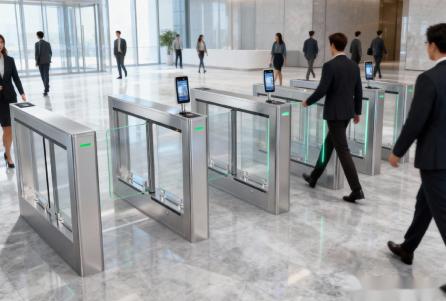
✓ LED indicator: valid credential shows green, illegal shows red
✓ Clear lane status: visitors should never guess whether the lane is ready
✓ Consistent reset behavior: after the time window ends, the lane returns to locked state
These signals reduce conflict at the entrance. They also reduce staff workload, because fewer visitors need manual guidance.
A smooth Valid Pass experience is one where most users can succeed without asking questions.
Product Example: Turboo H602 And Its Valid Pass Logic
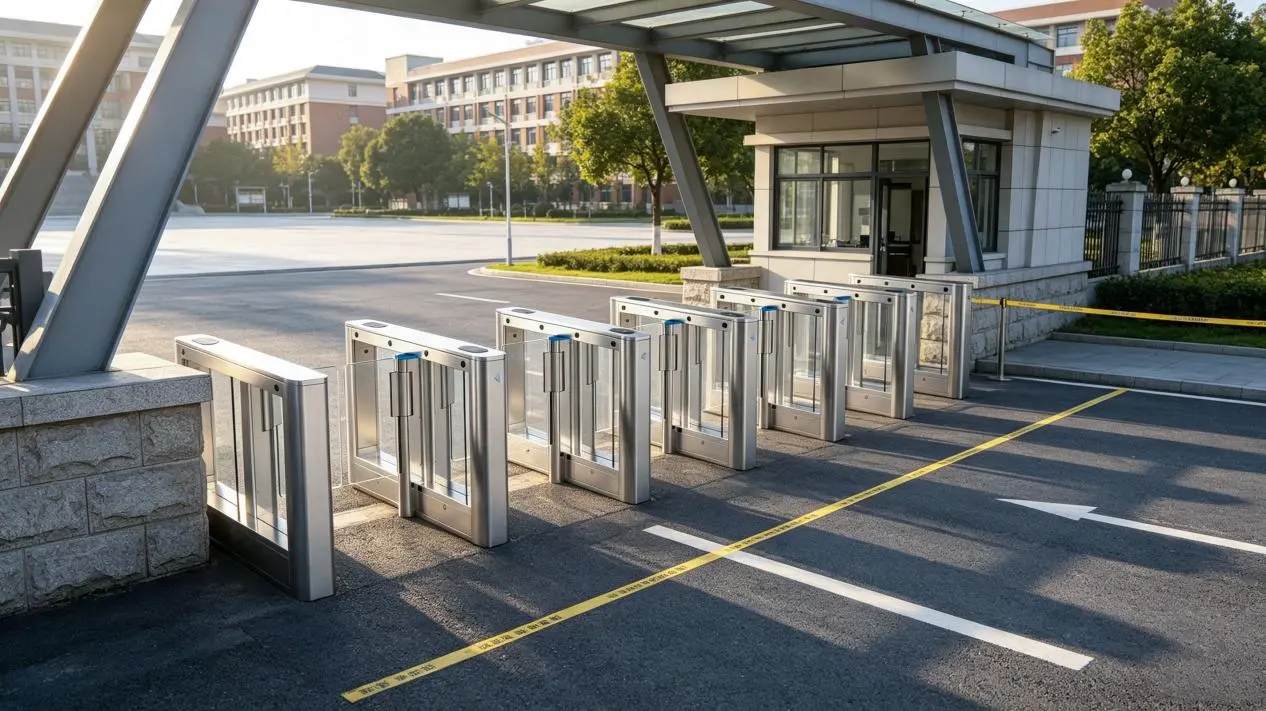
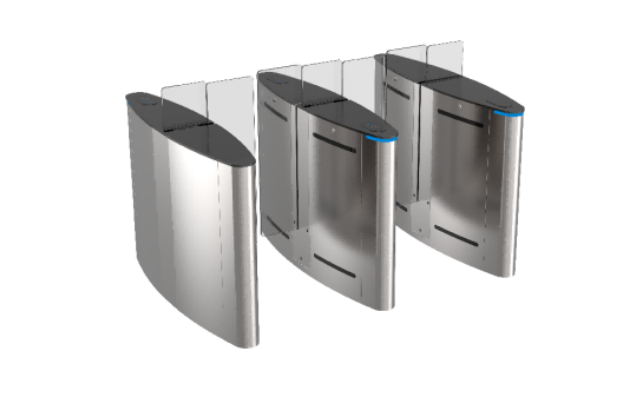
To connect these concepts to hardware, consider Turboo Waist-High Sliding Turnstiles H602, a lane type designed for steady daily use and flexible integration.
From a Valid Pass perspective, H602 supports the key parts of the rule:
• Anti-tail: helps keep "one credential = one person" meaningful
• Anti-reverse pass: locks direction after authorization
• Card with memory / without memory: lets you tune strictness vs friendliness
• Automatic reset: closes the permission window if no passage occurs
• Compatible with IC/ID, scanning, and face recognition: supports common visitor credential methods
• Unified standard external electrical interface: makes integration easier if you later extend to access control, attendance, or fee functions
• Power-off and pole dropping function (optional remote control): supports emergency and operational needs
• Outdoor use capability: supports entrances where weather resistance matters, and one machine can be used as a lane
In other words, H602 is not only a physical barrier. It is a way to turn "valid pass" into a repeatable, teachable entrance rule.
A Practical Valid Pass Checklist You Can Use in 2026
If you are designing Visitor Management With Turnstiles, use this beginner-friendly checklist to define Valid Pass clearly:
✓ Decide the credential type (card/QR/face) and keep the experience consistent
✓ Define the time window and enable automatic reset
✓ Set direction rules and enable anti-reverse passing
✓ Decide on with memory vs without memory based on visitor hesitation risk
✓ Enable anti-tail where "one pass per person" matters
✓ Ensure clear indicators so visitors know instantly whether they can go
CTA: If you want Turboo to recommend a "Valid Pass" configuration for your site (office reception, factory gate, park entrance, or transport-related flow), share your visitor type and peak-hour traffic goal. We will suggest a practical rule set (memory mode, reset timing, direction logic) and match it to the right lane solution, including sliding turnstiles like H602.