


Why Do Some Turnstile Gates Start Making Noise After Three Years?

Introduction
Many facility managers assume that abnormal noise is simply a sign of equipment aging. In reality, unusual sounds are often one of the earliest indicators of mechanical wear, structural deformation, or transmission misalignment inside a turnstile gate.
From an engineering perspective, abnormal noise is not the problem itself—it is an early warning that the turnstile's internal mechanical system requires inspection before a more serious failure occurs.
Once obvious noise appears, components such as bearings, transmission assemblies, or structural parts may already have experienced irreversible wear. Many major turnstile failures begin with what seems like a minor squeak or clicking sound.
As a professional turnstile gate manufacturer, OEM turnstile factory, and access control system supplier, TURBOO has analyzed numerous long-term field projects. Based on this experience, abnormal noise in turnstile gates that have been operating for more than three years generally falls into five categories.
The Five Most Common Causes of Turnstile Gate Noise
- Bearing Wear – The Most Common Cause
Turnstile gates are designed for high-frequency operation. In a typical office building, a speed gate may process around 5,000 passages every day, resulting in approximately five million operating cycles over three years.
After prolonged operation, several issues naturally occur:
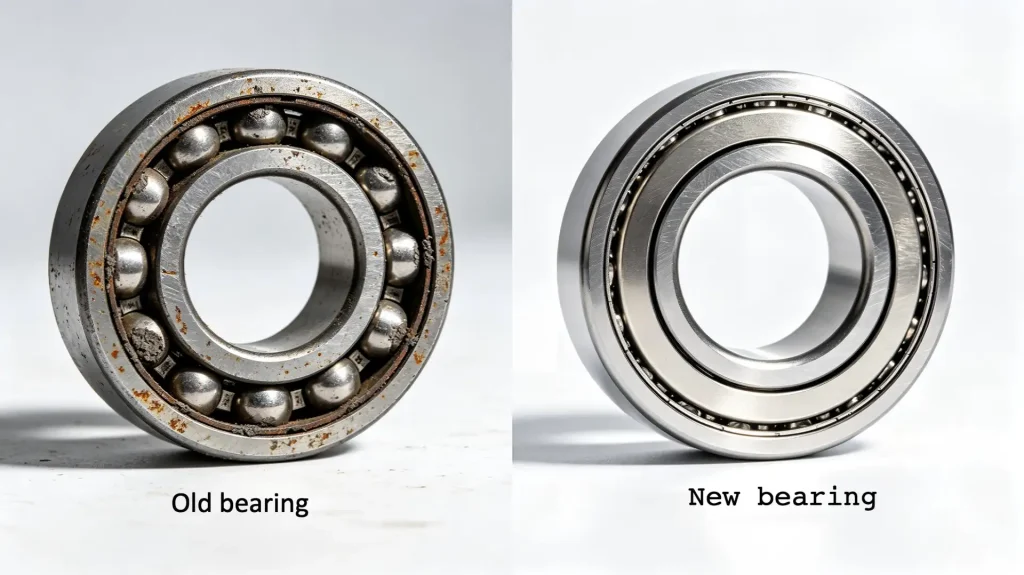
- Bearing grease begins to deteriorate.
- Bearing balls and races experience wear.
- Internal clearances gradually increase.
These changes often produce scraping sounds, humming noise, or metallic friction during gate operation. If left unattended, the problem may gradually develop into gate arm vibration, unstable passage performance, and increased motor load within only a few months.
- Structural Misalignment and Transmission Offset
Many customers believe that any unusual noise indicates a faulty motor or movement mechanism. However, this is often not the case.
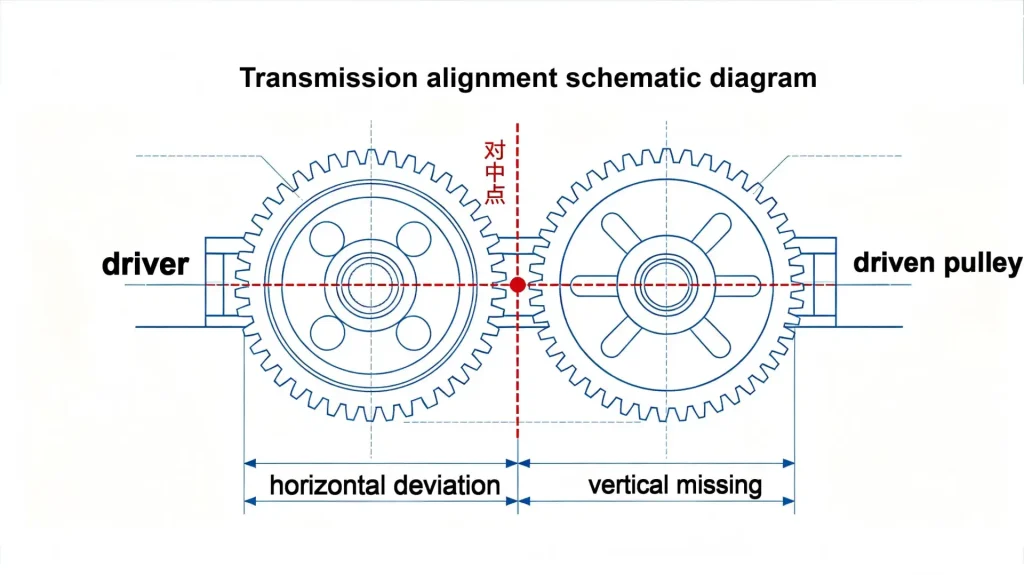
In many projects, the real cause is gradual structural misalignment rather than component failure.
Possible causes include:
- Long-term deformation of the movement mounting plate
- Foundation settlement after installation
- Insufficient cabinet structural rigidity
These factors can gradually shift the centerline between the drive shaft and bearing, creating what engineers refer to as shaft misalignment. Even minimal deviation increases friction, vibration, operating noise, and accelerates bearing wear throughout the transmission system.
- Insufficient Lubrication and Aging Grease
Many users believe that adding more lubricant will eliminate abnormal noise. However, lubrication is only effective when the correct type, quantity, and maintenance interval are applied.
Over time, lubricating grease gradually oxidizes, hardens, or becomes contaminated with dust and metal particles. Instead of reducing friction, deteriorated grease can increase mechanical resistance and accelerate component wear.
Common symptoms include:
- Intermittent squeaking during operation
- Increased resistance when the gate arm starts moving
- Noise that becomes more noticeable in low-temperature environments
- Reduced movement smoothness
Professional maintenance should include periodic cleaning of old grease and replacement with manufacturer-approved industrial lubricants, rather than simply applying additional grease on top of old residue.
- Loose Fasteners and Worn Transmission Components
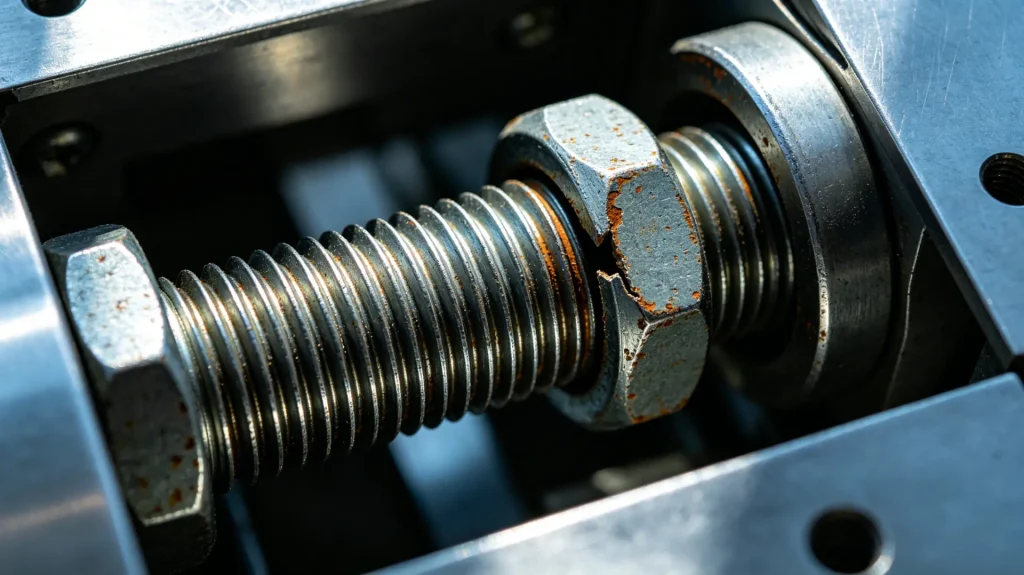
Turnstile gates operate continuously under repetitive opening and closing cycles. Even high-quality equipment may experience gradual loosening of mechanical connections over years of service.
Repeated vibration can reduce the preload of fastening bolts, allowing small movements between structural components that generate abnormal noise during operation.
In addition, prolonged operation may cause wear on components such as:
- Couplings
- Drive shafts
- Connecting rods
- Transmission gears
If these components are not inspected regularly, small mechanical clearances may gradually develop into noticeable vibration, impact noise, and reduced operating stability.
- Environmental Factors and Daily Maintenance
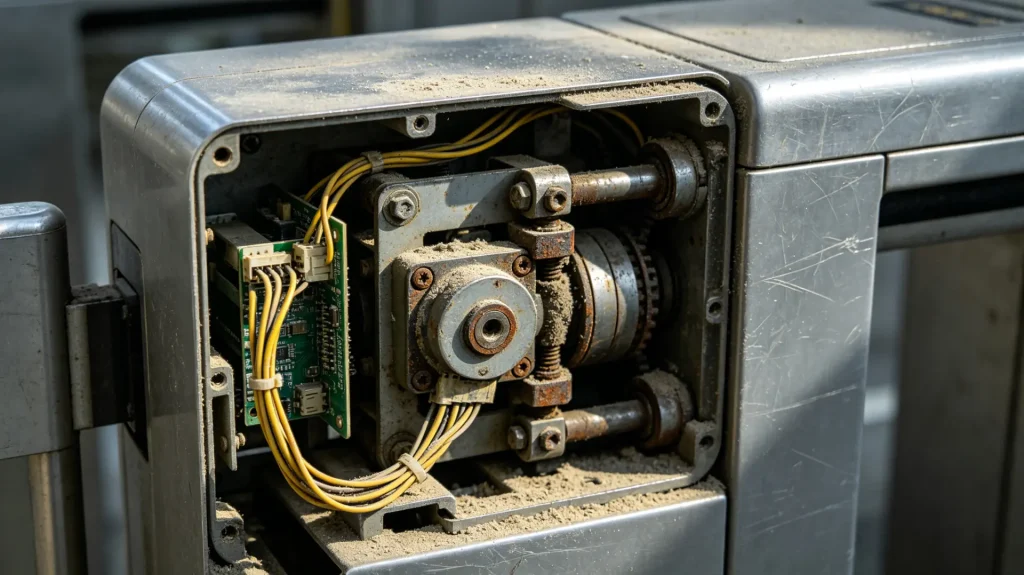
The operating environment has a significant influence on the long-term performance of a turnstile gate.
Outdoor installations are continuously exposed to dust, rain, humidity, temperature fluctuations, and airborne contaminants. These environmental factors accelerate corrosion, increase friction, and shorten the service life of moving components.
Typical environmental risks include:
- Dust entering the transmission system
- Moisture affecting bearings and metal components
- Corrosion caused by coastal or high-humidity environments
- Lack of routine preventive maintenance
A preventive maintenance program—including regular cleaning, inspection, lubrication, and component adjustment—is one of the most effective ways to extend the service life of a turnstile gate and minimize unexpected downtime.
Why Abnormal Noise Should Never Be Ignored
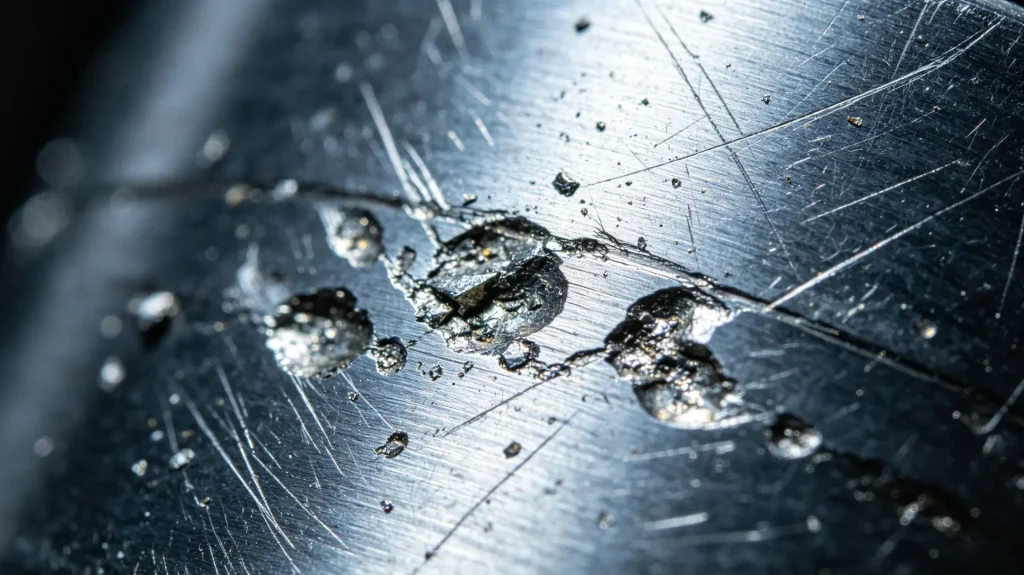
Abnormal noise is rarely an isolated issue. It often indicates that internal mechanical components are already operating under excessive stress or abnormal conditions.
If ignored, minor noise may eventually lead to:
- Increased motor load
- Reduced passage efficiency
- Higher energy consumption
- Premature bearing failure
- Unexpected equipment shutdown
- Increased maintenance costs
Addressing abnormal noise at an early stage not only reduces repair costs but also helps maintain stable operation and prolongs the overall service life of the turnstile system.
Professional Maintenance Recommendations for Long-Term Turnstile Reliability
Abnormal noise is often the first visible symptom of internal mechanical wear. Establishing a preventive maintenance program can significantly reduce equipment failures and extend the service life of the entire access control system.
| Maintenance Item | Recommended Interval | Purpose |
| Clean the cabinet interior | Every 3–6 months | Remove dust and debris that may affect moving parts |
| Inspect bearings and transmission components | Every 6 months | Detect early wear before major failures occur |
| Replace industrial-grade lubricant | Every 6–12 months | Maintain smooth mechanical operation |
| Tighten structural fasteners | Every 12 months | Prevent vibration caused by loose connections |
| Check motor and drive system alignment | Annually | Ensure stable and efficient power transmission |
For high-traffic locations such as office buildings, airports, metro stations, industrial parks, and commercial complexes, maintenance frequency should be adjusted according to actual operating cycles rather than calendar time.
Choosing a Reliable Turnstile Manufacturer Matters More Than You Think
The long-term performance of a turnstile gate depends not only on regular maintenance but also on its original engineering design, manufacturing precision, and component quality.
A professional turnstile manufacturer should provide:
- Precision-engineered transmission systems
- Industrial-grade bearings and motors
- High-strength cabinet structures
- Strict assembly tolerance control
- Long-term spare parts availability
- Professional technical support
Manufacturing quality directly influences operating noise, mechanical stability, maintenance frequency, and the overall lifecycle cost of a turnstile system. Choosing a reliable OEM turnstile manufacturer can significantly reduce maintenance expenses over the lifetime of the project.
Conclusion
A turnstile gate that begins making abnormal noise after several years of operation is not simply showing signs of aging—it is providing valuable information about the condition of its internal mechanical system.
By identifying the root cause early, implementing preventive maintenance, and selecting high-quality equipment from a professional turnstile manufacturer, operators can minimize downtime, improve operational efficiency, and maximize the service life of their access control systems.
For system integrators, facility managers, and project owners, investing in reliable engineering and manufacturing quality is always more cost-effective than dealing with repeated repairs after deployment.