


How To Choose An Outdoor Turnstile Gate For Harsh Weather And Heavy Traffic

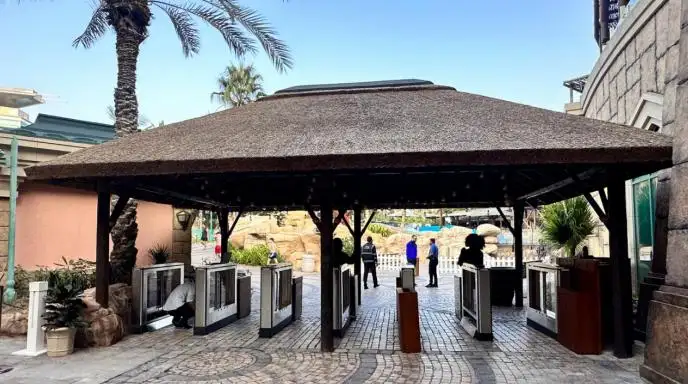
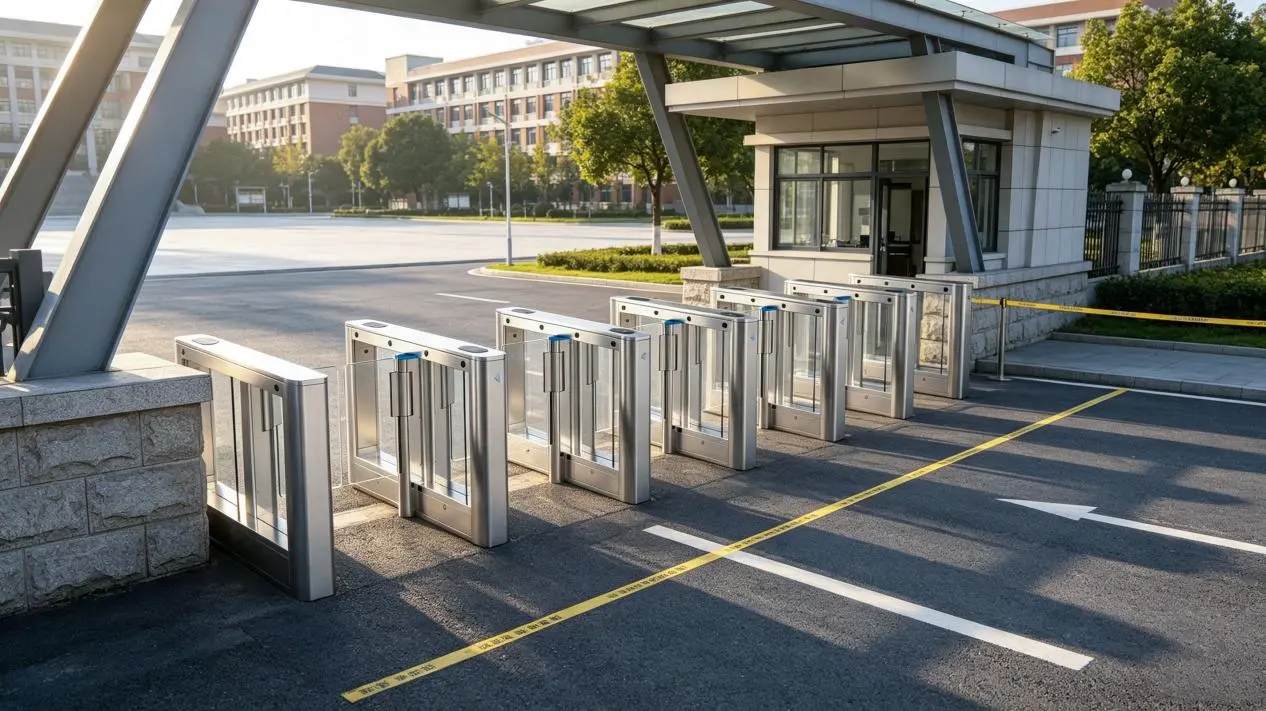
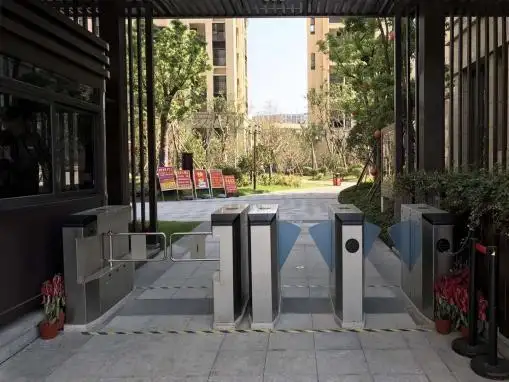
Equipment failure at the entrance is rarely a small problem. For museums, scenic attractions, stadiums, transport hubs, and large public venues, one faulty gate can slow admission, raise labor pressure, and weaken the visitor experience within minutes. That is why many buyers now look beyond appearance and price when sourcing an Outdoor Turnstile Gate. They want weather resistance, stable throughput, lower maintenance, and smooth integration with ticketing and access systems.
From a procurement perspective, this shift is easy to understand. Outdoor access equipment works in open-air conditions where rain, dust, heat, humidity, and temperature swings are constant. At the same time, visitor peaks can arrive fast. A venue may remain quiet in the morning and then face thousands of entries in a short window. Under that pressure, a weak gate becomes a daily operating risk rather than a one-time purchasing mistake.
Why Outdoor Installations Fail More Often
Indoor access control already requires stability, but outdoor projects add several extra layers of difficulty. Buyers are not just purchasing a lane barrier. They are investing in a system that must keep working when the environment is hostile and traffic is uneven.
The most common problems include:
• Water ingress that affects internal electronics
• Surface corrosion in coastal, humid, or rainy regions
• Dust buildup that interferes with sensors and control boards
• Performance loss during extreme heat or freezing weather
• Delays at entry points during peak hours
• Higher maintenance costs caused by repeated outdoor exposure
These risks are not theoretical. IEC ingress protection ratings are specifically used to classify how well enclosures resist dust and water, while NEMA enclosure guidance also highlights how outdoor conditions affect equipment selection. For venue operators, that means enclosure quality should be treated as a purchasing priority, not a technical afterthought.
What Buyers Should Prioritize in an Outdoor Turnstile Gate
A strong Outdoor Turnstile Gate should solve practical operating problems first. Buyers in overseas markets often compare suppliers on lead time and appearance, yet the better approach is to evaluate long-term field performance.
When evaluating suppliers, buyers often look for:
• Verified water and dust protection standards
• Stable operation in hot, cold, and changing weather conditions
• Effective corrosion resistance for outdoor environments
• Low standby energy demand
• Compatibility with QR scanning, RFID, biometric access, and ticketing software
• Easy maintenance access and simplified replacement of parts
• Flexible configuration to match seasonal flow and site-specific needs
This is where Turboo can communicate its advantages more directly. Instead of presenting the product as only “durable,” it is more persuasive to show how each design choice helps the buyer reduce risk at the entrance, shorten downtime, and improve flow control.
Why Weather Protection Matters More Than Many Buyers Expect
In outdoor access control, weather resistance is not just a spec sheet detail. It directly affects uptime, inspection frequency, and the service life of electronic components.
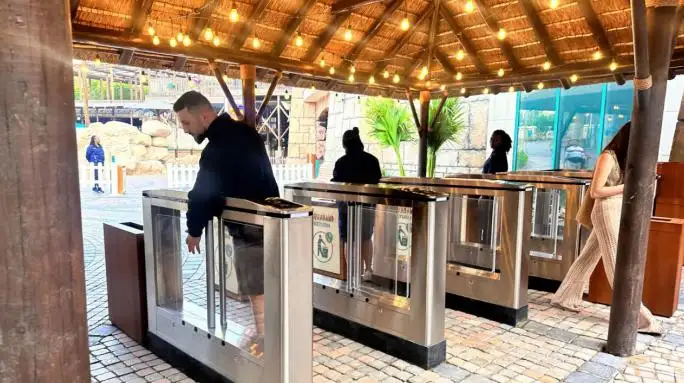
Turboo's Outdoor Turnstile Gate is designed for demanding outdoor environments. With IP54-level protection and an operating temperature range of -30°C to 70°C, it is better suited for projects exposed to rain, strong sunlight, cold winters, or mixed climates. For buyers managing installations in coastal destinations, tourist sites, or sports venues, that wider environmental tolerance can support more dependable daily operation.
The value here is practical:
- Fewer weather-related interruptions
- Lower risk of internal component damage
- More stable operation across seasons
- Better suitability for exposed entrances without permanent shelter
For procurement teams, these points matter because replacing failed outdoor access equipment is rarely cheap. The cost includes service labor, visitor disruption, and possible reputational damage during high-traffic periods.
Corrosion Resistance and Electronics Protection Are Often the Real Differentiators
Many products look similar in photos. The real difference appears after installation.
Turboo uses automotive-grade electrophoresis treatment on sheet metal components to improve corrosion resistance. That matters in humid regions and especially in sites exposed to rain, cleaning chemicals, or salty air. The product description also highlights a salt spray resistance claim of more than 2,000 hours. In general industry practice, salt spray testing is widely used to assess how coatings and materials perform under corrosive conditions, although the exposure duration alone should always be read together with the supplier's full test context and design details.
The triple-protected circuit board design is equally important. Outdoor electronics are vulnerable not only to water, but also to dust and mold. When protection at the board level is weak, even a solid-looking enclosure can produce unstable field performance. For buyers, this means internal protection deserves just as much attention as the housing finish.
Energy Use, Off-Grid Flexibility, and Cost Control
Operating cost is another area where buyers have become more selective. A modern Outdoor Turnstile Gate should not add unnecessary energy burden, especially in multi-lane installations.
Turboo's low standby power consumption and optional solar power package give the product a stronger commercial case for:
• Scenic areas with limited grid access
• Remote project locations
• Venues seeking lower operating cost
• Buyers with sustainability targets in tender documents
This point is especially useful in export markets, where project owners increasingly review not only upfront pricing but also lifetime operating efficiency.
Integration Is No Longer Optional
An access gate today is expected to do more than open and close. It must work with the wider venue system.
For museums, parks, and stadiums, the stronger value of an Outdoor Turnstile Gate lies in how well it connects with ticket verification, visitor management, and security workflows. Turboo's integration positioning is one of the article's strongest selling points and should stay central. Real-time data connectivity, traffic analysis, and heat map support can help operators identify congestion earlier and improve staffing decisions.
That direction is consistent with broader venue security thinking. CISA guidance for public venues emphasizes structured security planning, operational coordination, and practical measures that help sites protect people while maintaining organized movement.
A Better Angle for Buyers: Operational Dependability, Not Just Product Features
Many turnstile articles focus too heavily on hardware features in isolation. Buyers, however, tend to think in outcomes. They ask:
• Will the gate still work after months of outdoor exposure?
• Can it handle rush-hour entry without causing backups?
• Will it connect easily with our existing system?
• How much service support will we need after installation?
• Can the supplier adjust the solution for our site layout and seasonal traffic?
Conclusion
For outdoor venues, the purchasing decision is no longer about selecting a gate that merely looks strong. It is about choosing a system that can hold up under pressure, adapt to real site conditions, and support long-term operating efficiency. Turboo's positioning works best when framed around resilience, lower maintenance risk, energy efficiency, and system integration.
For buyers serving museums, stadiums, scenic areas, and other public venues, an Outdoor Turnstile Gate should be evaluated as a front-line operational asset. When weather turns, visitor numbers surge, and uptime matters most, that distinction becomes very clear.