


Why More Infrared Sensors Don’t Always Make Better Speed Gates

Does a speed gate with more infrared sensors always perform better?
Learn why sensor layout, pedestrian detection logic, and control algorithms matter more than quantity when choosing a speed gate manufacturer.
Why More Infrared Sensors Don’t Always Make Better Speed Gates
When comparing speed gates, many buyers pay close attention to specifications such as opening speed, motor type, cabinet material, and the number of infrared sensors. In fact, many manufacturers proudly advertise “8 pairs”, “12 pairs”, or even “24 pairs” of infrared sensors as proof of superior performance.
It sounds logical—the more sensors, the safer and smarter the speed gate should be.
But is that really true? The answer is not necessarily.
After years of manufacturing and integrating speed gates for office buildings, transportation hubs, schools, government facilities, and commercial projects worldwide, we’ve learned that the effectiveness of an infrared detection system depends far more on sensor placement and detection logic than simply increasing the number of sensors.
For system integrators, distributors, and project contractors, understanding this difference can help you choose a speed gate that delivers better user experience, fewer false alarms, and lower maintenance costs.
The Technical Foundation: How Through-Beam Infrared Sensors Actually Work
Before we compare the engineering of different speed gates, it helps to understand the technology inside the sensor itself. Almost every infrared sensor used in a modern pedestrian turnstile is a through-beam (also called opposed-mode) photoelectric sensor: a matched infrared transmitter (TX) and receiver (RX) are mounted on opposite sides of the lane, forming an invisible light curtain across the passage. When a pedestrian, suitcase, or any opaque object breaks the beam, the receiver detects the change and signals the gate controller within milliseconds.
Three design details make this principle work reliably inside a real gate:
Modulated infrared light (typically 38 kHz) lets the receiver distinguish the sensor's own beam from sunlight, fluorescent lamps, or other infrared sources. This is the main reason modern gates almost never false-trigger on ambient light.
Millisecond response time. Quality through-beam sensors react in 50 ms or less, far faster than the 200 ms human reaction time — which is why the gate can stop or reverse before the barrier ever touches a user.
Narrow beam pitch. A light curtain is made of multiple parallel beams, usually 10–20 mm apart. The finer the pitch, the harder it is for a child's hand, a backpack strap, or a tail of luggage to slip past undetected.
Compared with diffuse-reflective or retro-reflective sensors, through-beam designs give the longest detection range, the highest signal strength (excess gain), and the strongest tolerance to dust, fingerprints, or vibration. The trade-off is that both sides of the lane must be wired and aligned, which is exactly why this topology has become the industry standard inside factory-built turnstile cabinets.
Why Infrared Sensors Matter in a Speed Gate
Infrared sensors are one of the most important safety components inside a modern speed gate.
Rather than simply opening and closing barriers, they continuously monitor pedestrian movement to determine whether a person has:
- Entered the lane
- Completely passed through
- Attempted to tailgate
- Walked in the wrong direction
- Stopped inside the passage
- Triggered anti-pinch protection
- Entered the lane
The information collected by infrared sensors is processed together with the controller and motor to ensure smooth, safe, and accurate operation.
Without a well-designed infrared system, even the fastest servo motor cannot deliver reliable pedestrian access control.
The Common Misunderstanding: More Infrared Sensors Must Be Better
Many buyers naturally compare the number of infrared sensors when evaluating different manufacturers.
A typical comparison looks like this:
- Manufacturer A: 8 pairs
- Manufacturer B: 12 pairs
- Manufacturer C: 18 pairs
At first glance, Manufacturer C appears to offer the best product. However, this comparison overlooks an important engineering fact:
Infrared sensors are only effective when they are positioned correctly and work together with intelligent detection algorithms.
Simply adding more sensors does not automatically improve detection accuracy. In some cases, it can actually create new problems.
Why Sensor Placement Is More Important Than Sensor Quantity
A pedestrian does not move through a speed gate as a simple straight object.
People naturally swing their arms, change walking speed, carry backpacks or luggage, push carts, or walk side by side.Because of these natural movements, infrared sensors must be arranged according to real pedestrian behavior, not simply installed wherever additional space is available.
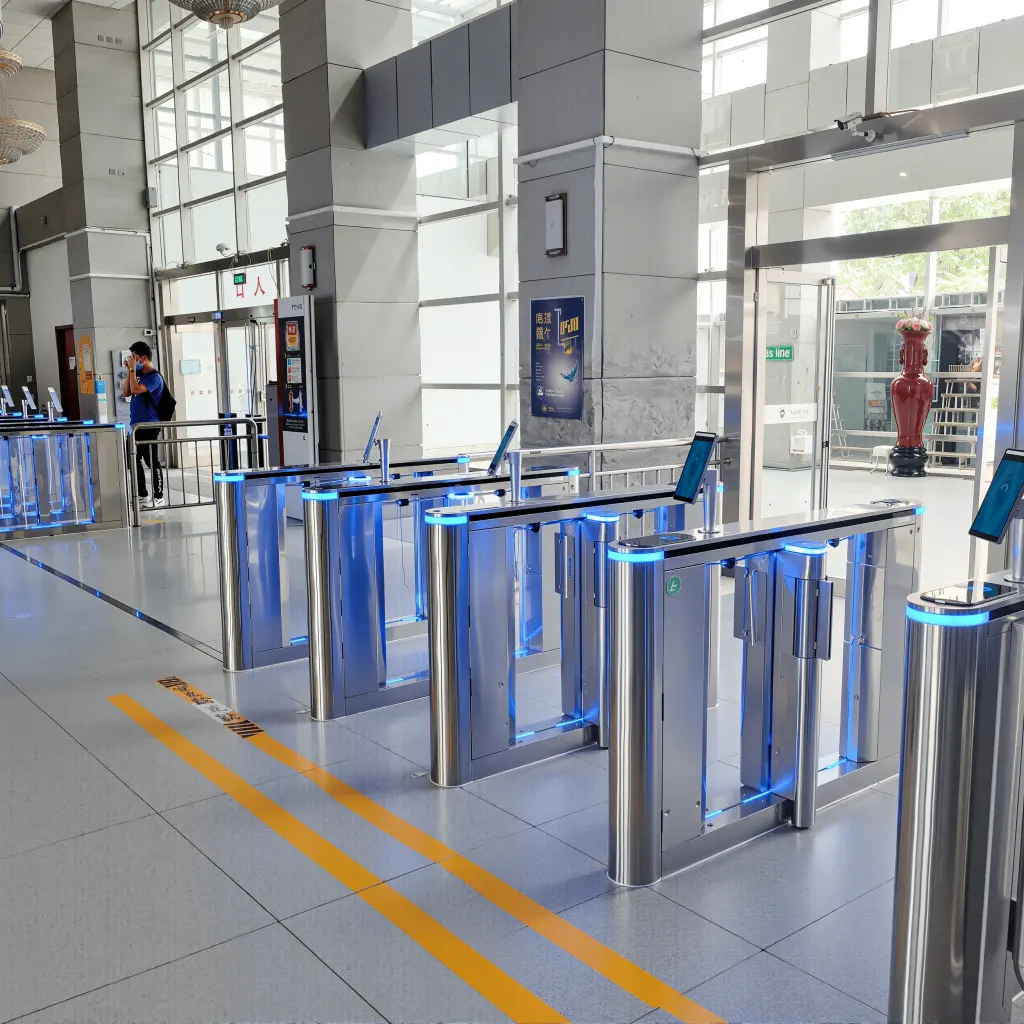
A well-designed speed gate normally uses different infrared zones to detect different parts of the human body.
For example:
- Upper sensors monitor the torso and barrier arm movement.
- Lower sensors monitor legs and feet.
- Front sensors determine entry.
- Rear sensors confirm complete exit.
These different detection areas work together to create an accurate understanding of pedestrian movement. Without this coordinated layout, increasing sensor quantity alone provides very little benefit.
Real Engineering Example: University Dormitory Attendance
Here’s a practical example that demonstrates why sensor layout matters.
Many universities use speed gates to manage dormitory access and automatically record student attendance.
If the system only relies on upper infrared sensors, some students may attempt to fool the system by simply waving a hand through the detection area without actually entering the dormitory. The access control system may mistakenly record that the student has returned.
To prevent this, properly designed speed gates combine upper and lower infrared sensors placed on both sides of the passage. Only when the system confirms a complete pedestrian movement—from entry to exit—will attendance be recorded.
This greatly improves identification accuracy while preventing false attendance records.
The solution is not adding unlimited sensors.It is designing a smarter detection strategy.
Can Too Many Infrared Sensors Cause Problems?
Surprisingly, yes.
One common misconception is that increasing the number of infrared sensors always improves safety.
In reality, excessive or poorly arranged sensors may cause:
False Triggering
When sensors are positioned too closely together, multiple beams may detect the same pedestrian at different moments. This can confuse the controller and generate unnecessary alarms.
Premature Gate Closing
Imagine the following scenario:
A front sensor detects a pedestrian approaching and commands the barrier to open. However, because another sensor is placed too close behind it, the system may incorrectly determine that the pedestrian has already passed. The controller begins closing the barrier before the person has completely walked through.
This not only creates a poor user experience but may also activate unnecessary anti-pinch functions.
Reduced Walking Comfort
Modern office buildings and commercial facilities expect pedestrians to walk naturally without stopping. An overly sensitive infrared layout may repeatedly interrupt normal walking patterns, reducing passage efficiency during peak traffic hours. Instead of making the speed gate smarter, poor sensor arrangement can make it feel less intelligent.

The Real Goal: Accurate Pedestrian Detection
A high-performance speed gate is designed to understand pedestrian behavior—not simply count infrared beams.
Accurate pedestrian detection depends on several factors working together:
- Reasonable infrared layout
- High-speed controller response
- Stable servo or brushless motor
- Precise encoder positioning
- Intelligent detection algorithms
Each component contributes to the overall performance of the gate. Improving only one specification rarely produces the best result.
Why Continuous Traffic Requires Smarter Detection
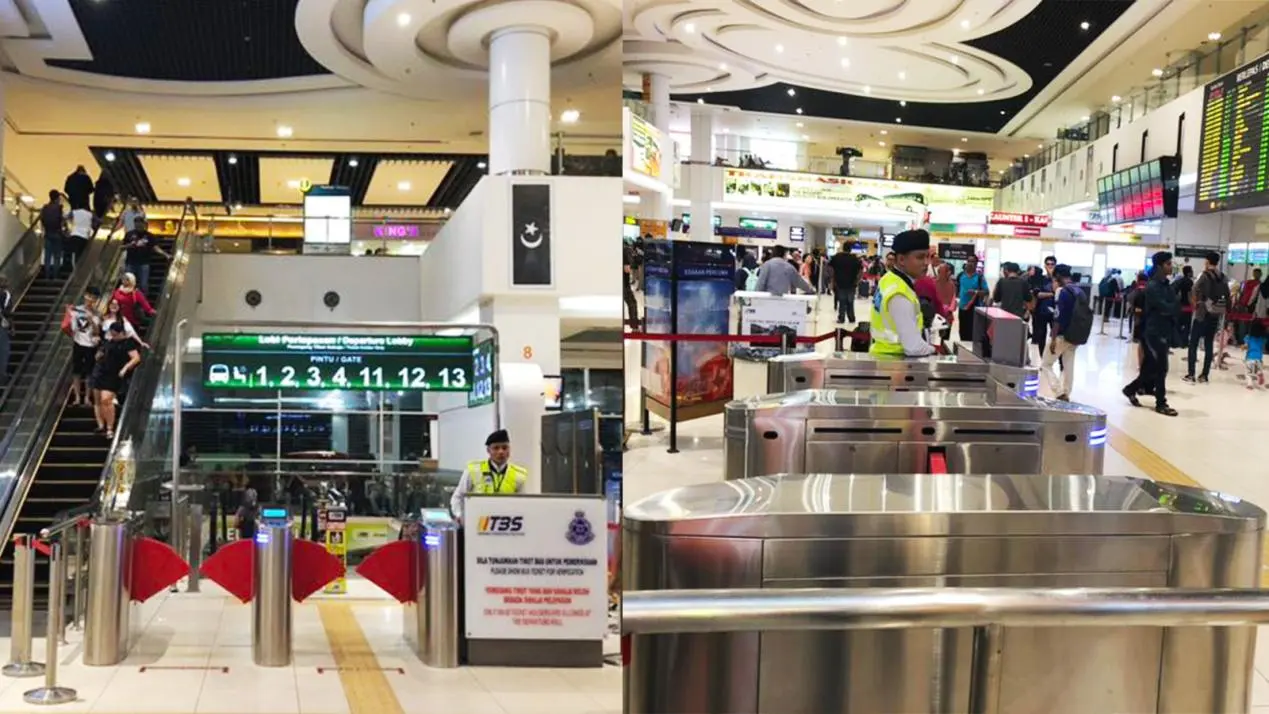
High-end speed gates are commonly installed in places with heavy pedestrian flow, including:
- Grade A office buildings
- Metro and railway stations
- Airports
- Government buildings
- Universities
- Commercial complexes
- Fitness centers
During peak hours, dozens of people may enter continuously without long intervals. Unlike traditional swing barriers, modern speed gates support continuous card memory.
Multiple users can authenticate one after another, allowing the gate to remember each authorization and release pedestrians sequentially. This significantly improves throughput.
However, this function also places much higher demands on the infrared detection system.
The controller must accurately distinguish between different pedestrians while preventing tailgating and maintaining smooth traffic flow.
Again, success depends on intelligent detection logic—not simply increasing the number of infrared sensors.
What Should Buyers Really Compare?
When evaluating a speed gate manufacturer, consider asking these questions instead of only comparing infrared quantity:
- How are the infrared sensors positioned?
- How does the system distinguish complete pedestrian movement?
- How is anti-tailgating achieved?
- How does the controller coordinate with the motor?
- What happens if someone stops inside the lane?
- How are false alarms minimized?
- Has the detection system been tested in high-traffic environments?
These questions provide a much clearer picture of real-world performance than simply counting infrared beams.
Why Turboo Focuses on Engineering Instead of Numbers
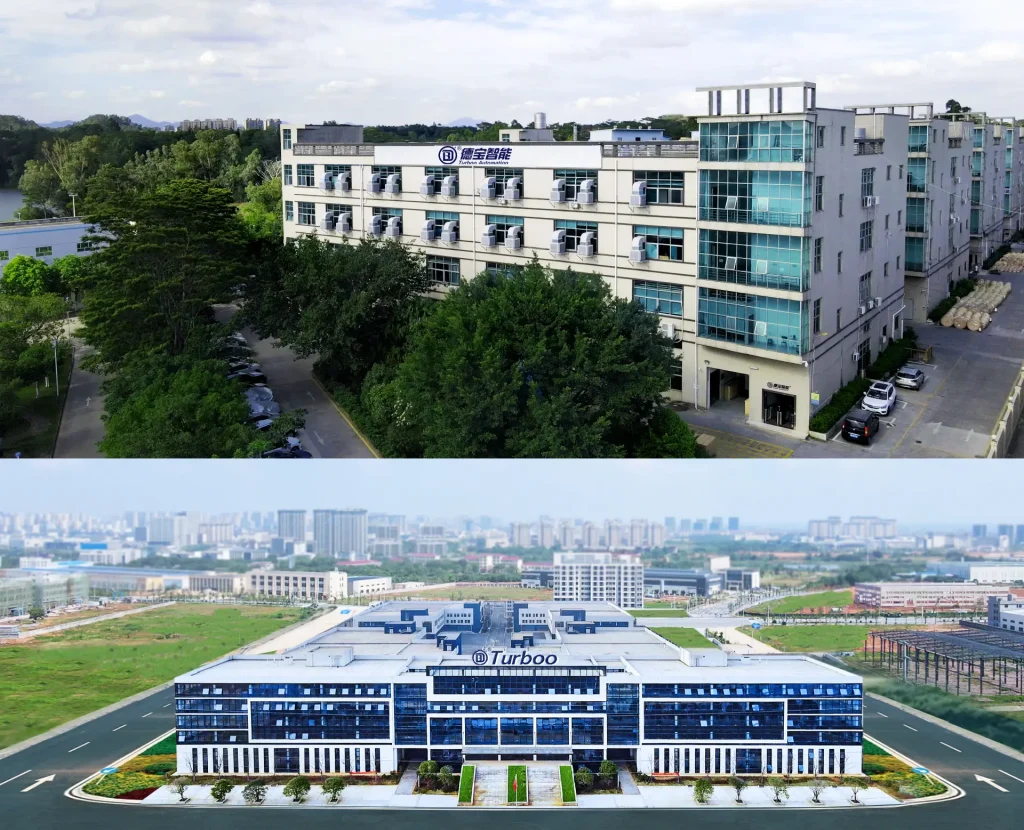
At Turboo, we believe every component inside a speed gate should solve a practical problem.
Instead of pursuing higher sensor counts for marketing purposes, our engineering team focuses on designing infrared layouts that match natural pedestrian movement.
Combined with servo or brushless motors, precise encoder positioning, TCP/IP communication, anti-tailgating logic, fire emergency integration, and intelligent access control systems, our speed gates are built for stable operation in demanding commercial environments worldwide.
Our goal is simple:
Deliver smooth, accurate, and reliable pedestrian access—not just impressive specifications on paper.

Conclusion
The number of infrared sensors has become a popular marketing metric in the access control industry. However, professional buyers know that better speed gates are not built by adding more sensors—they are built through better engineering.
An effective pedestrian detection system requires carefully planned sensor placement, intelligent control logic, reliable hardware, and years of practical experience.
The next time you compare speed gates, don’t just ask “How many infrared sensors does it have?” Ask “How intelligently are those sensors designed to work together?”
That question will tell you far more about the true quality of the product.
Looking for a reliable speed gate manufacturer for your next access control project?
Turboo provides OEM and ODM speed gate solutions for system integrators, distributors, contractors, and enterprise customers worldwide. From product selection to customization and technical support, our team is ready to help you choose the right solution for your application.
Contact Turboo today to discuss your project requirements and discover how professionally engineered speed gates can improve security, efficiency, and user experience.
Contact us : https://www.turbooturnstile.com/contact/
Frequently Asked Questions
Does more infrared always mean better anti-tailgating?
No. Anti-tailgating performance depends on sensor layout, controller algorithms, and overall system coordination rather than sensor quantity alone.
How many infrared sensors are enough?
There is no universal number. The optimal configuration depends on lane width, application, walking speed, and detection strategy.
Why do some speed gates generate false alarms?
False alarms are often caused by poor sensor placement, incorrect parameter settings, environmental interference, or improper installation—not necessarily by having too few sensors.
Can infrared sensors prevent people from being pinched?
Yes. When properly positioned and integrated with the controller, infrared sensors detect pedestrians inside the passage and prevent the barriers from closing unexpectedly.
What should I focus on when choosing a speed gate manufacturer?
Look beyond product specifications. Consider engineering design, manufacturing quality, software integration, after-sales support, project experience, and the manufacturer’s understanding of real pedestrian behavior.