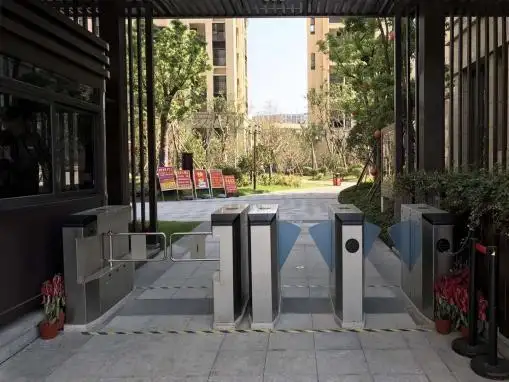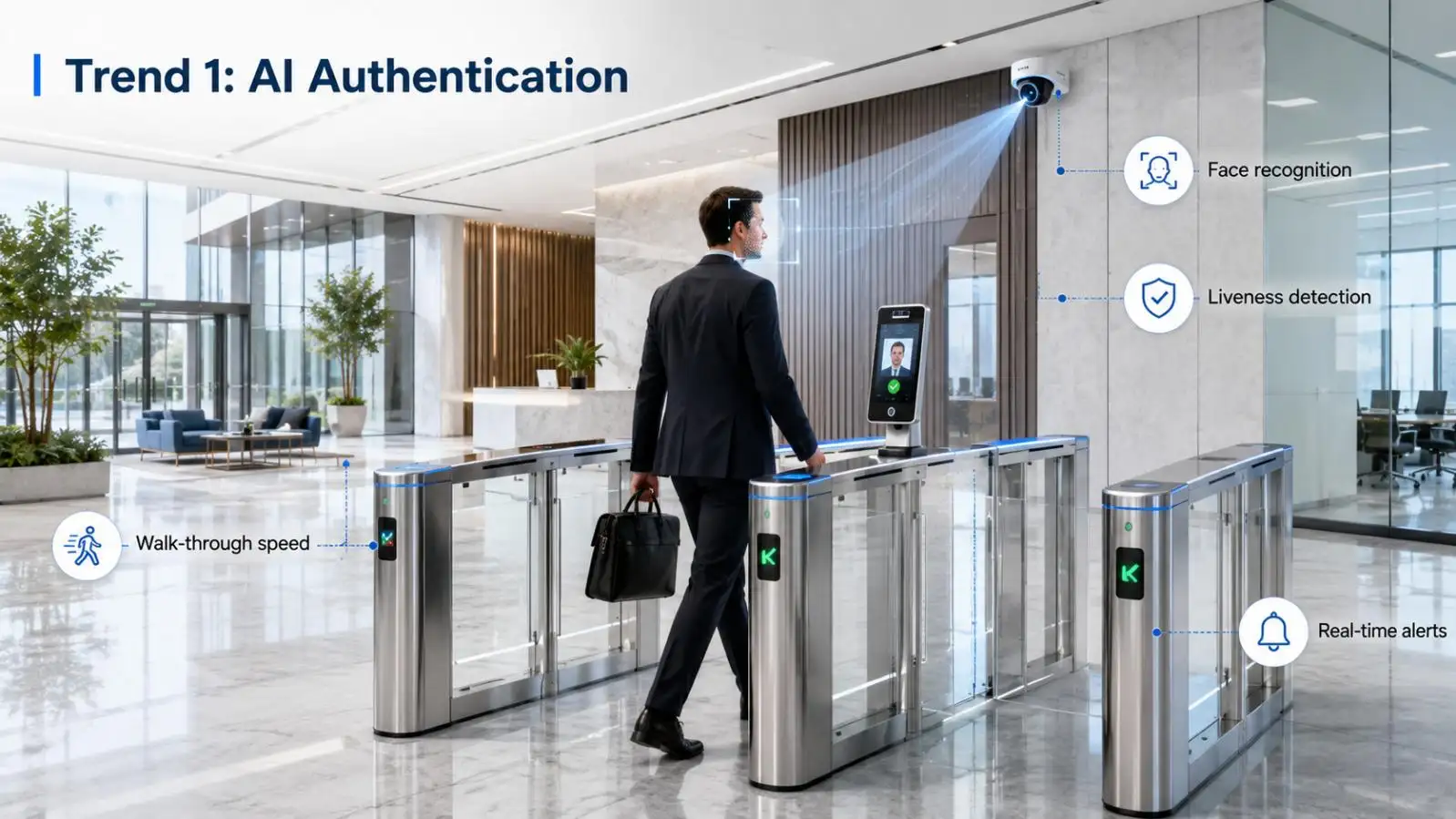



A Metro Entry Gate Machine Must Do More Than Open And Close

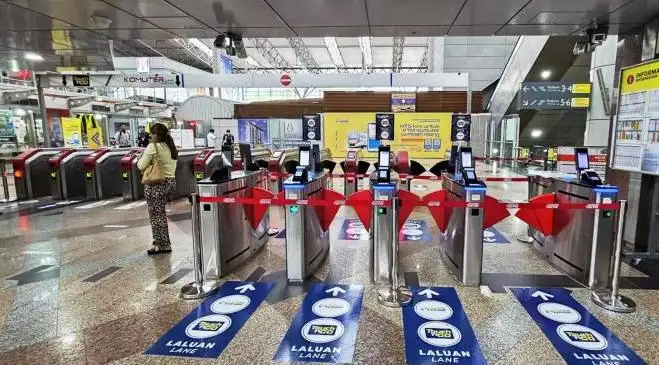
Crowded metro stations do not fail because of a lack of hardware. They fail when access control cannot keep pace with real passenger behavior. In many networks, the problem is no longer basic entry. It is unauthorized follow-through, inaccurate passenger counts, and the growing pressure to protect revenue without slowing lawful traffic. That is where a well-designed Metro Entry Gate Machine becomes a strategic asset rather than a simple barrier.
For transit authorities, contractors, and system integrators, the purchasing question is no longer limited to appearance, lane width, or reader compatibility. The more important issue is whether the gate can support stable throughput while reducing fare evasion and maintaining safe emergency release logic. That balance matters. Industry research and operator case studies continue to treat fare evasion as a financial and operational concern, not merely a passenger discipline issue.
The Real Cost of Weak Entry Control
When a metro entrance lane allows one authorization to serve more than one person, the consequences extend well beyond unpaid rides. A weak gate line gradually distorts station management, staffing judgment, and service planning.
Common impacts include:
• Revenue leakage that scales with peak-hour misuse
• Lower security confidence when unpaid access bypasses controlled entry
• Inaccurate traffic data that weakens ridership analysis and station planning
• Higher intervention pressure on on-site staff and enforcement teams
This is why modern buyers increasingly assess a Metro Entry Gate Machine by its anti-tailgating performance, detection accuracy, and reset discipline. A gate that looks robust but cannot distinguish a valid single passage from an unauthorized second body creates long-term operational loss. Research from the Transit Cooperative Research Program has also highlighted the growing importance of measuring and managing fare evasion in a more systematic way.
Why Mechanical Design Still Matters First
Software logic is important, but the physical form of the gate remains the first control point. In metro environments, mechanical design shapes user behavior before the sensor system even begins its work.
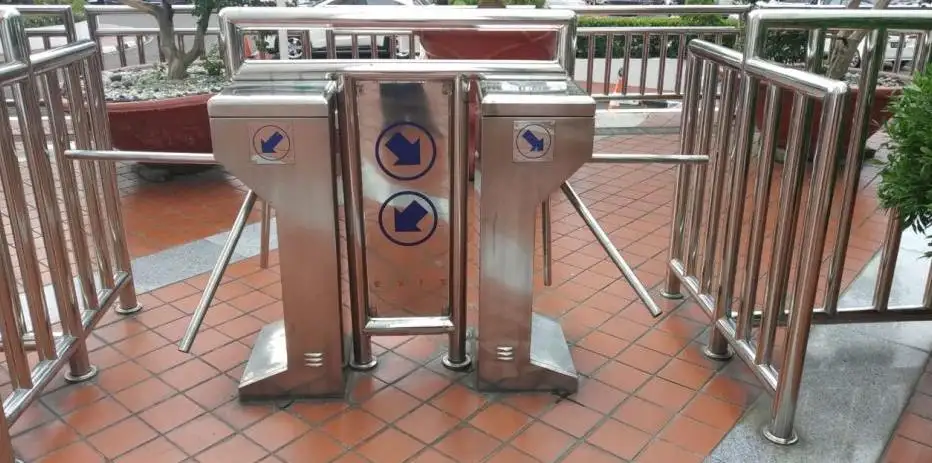
A tripod-style lane offers several practical advantages:
• It establishes a clear one-person passage rhythm
• It discourages side-by-side entry attempts
• It introduces a defined rotation cycle before the lane resets
• It creates visible passage discipline for both passengers and staff
This matters for buyers because a Metro Entry Gate Machine should not rely on software alone to correct a weak structure. The best results usually come from combining a restrictive mechanical path with intelligent sensing and stable control logic. In procurement terms, that means the chassis, drive system, arm geometry, and recovery cycle should be evaluated together rather than as separate features.
The Value of Sensor Logic In High-Volume Stations
At busy stations, anti-tailgating is not simply a matter of blocking force. It depends on whether the gate can interpret movement correctly in real time. A capable Metro Entry Gate Machine typically uses infrared detection, passage sequencing, and timed logic to determine whether one credential has matched one passenger movement.
A stronger anti-tail system should support:
• Entry verification after valid credential recognition
• Passage sequencing that tracks movement through the lane in order
• Abnormal occupancy alerts when the lane remains blocked too long
• Direction monitoring to detect reverse movement or overlap
The procurement value here is straightforward. Buyers do not need a gate that merely reacts. They need one that identifies irregular passage patterns early enough to trigger an alarm, hold the mechanism, or notify central control. That operating model aligns with broader access-control thinking, where layered detection is preferred over single-point decision-making. ASIS materials on access control continue to emphasize the operational value of stronger anti-tailgating awareness and layered control practices.
Passenger Guidance Is Part of Security Performance
In transit, the user interface is not a decorative detail. It directly affects misuse, hesitation, and lane recovery time. A Metro Entry Gate Machine should provide fast, legible feedback so passengers understand the gate status without stopping to interpret it.
Useful guidance features include:
• Clear green and red status indicators
• Simple directional arrows
• Fast invalid-pass feedback
• Automatic timeout and reset after unused authorization
These functions improve more than convenience. They help reduce stalled passages, limit accidental misuse, and prevent an open authorization window from being exploited by a second passenger. In practice, a gate that communicates clearly often performs better than one that depends only on physical restriction.
Safety Compliance Cannot Be Treated as Secondary
For metro operators, no entry-control improvement is acceptable if it creates egress risk. Emergency release behavior, fire alarm integration, and power-loss response should therefore be treated as essential purchasing criteria. NFPA guidance on means of egress and egress-side locking makes the principle clear: access systems must never obstruct safe exit during an emergency.
A compliant Metro Entry Gate Machine should therefore support:
• Fail-safe release during power failure or alarm condition
• Automatic arm drop or free passage mode where required
• Integration with fire alarm and station control systems
• Manual override capability for controlled operational events
For overseas buyers, this is a decisive point. A supplier may offer strong anti-tail logic, but that value is incomplete unless the gate also supports local fire and life-safety expectations.
A Better Buying Standard for Metro Projects
Recent operator experience reinforces the case for stronger faregate infrastructure. WMATA stated that its upgraded faregate program helped reduce Metrorail fare evasion significantly, including an 82% drop after wider system rollout. That does not mean every station should buy the same format, but it does confirm that gate design has measurable operational impact when deployed correctly.
For buyers evaluating a Metro Entry Gate Machine, the better approach is to ask:
• Can the structure guide one-person passage naturally?
• Is the sensor logic stable under peak traffic conditions?
• Does the gate reset quickly without creating vulnerability?
• Can it integrate with IC card, QR, ID, or biometric readers?
• Does its emergency logic align with code and station procedures?
From that perspective, the gate is no longer a minor station component. It is part of the revenue-control system, the passenger-flow system, and the station safety system at the same time. Buyers who evaluate it through that wider lens usually make better long-term decisions.