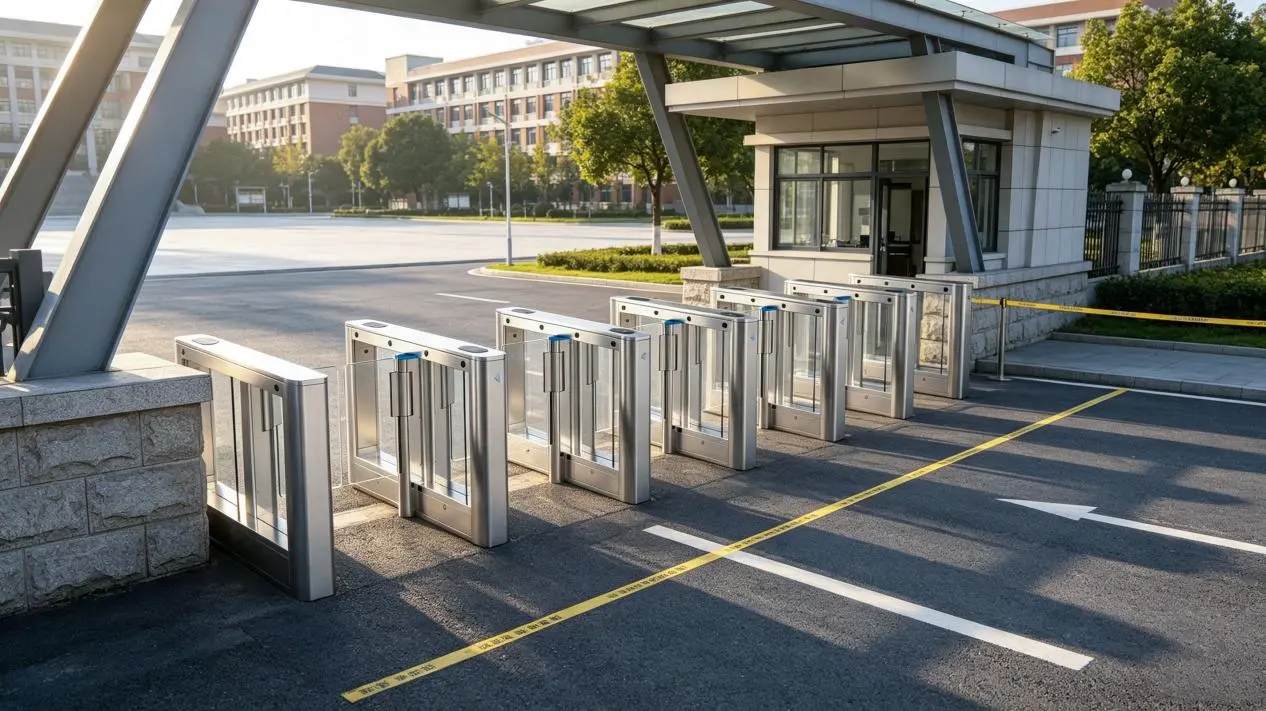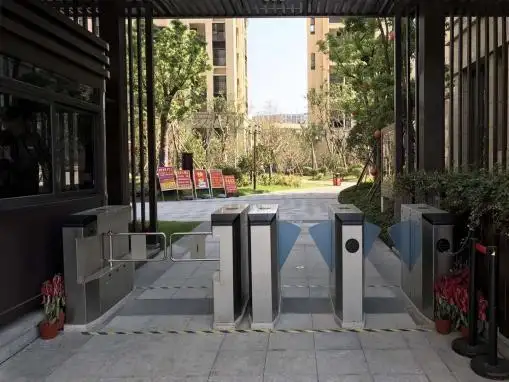



Best Turnstile Gate For Hybrid-Cloud Access Control Systems

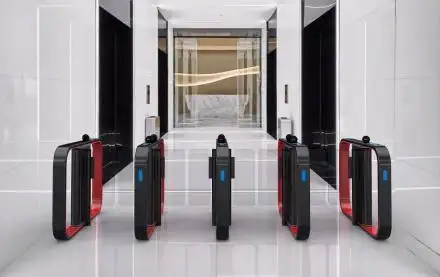
Best Turnstile Gate decisions now go beyond cabinet finish, lane speed, or basic badge reading. For many overseas buyers, the real issue is whether a turnstile can fit a hybrid-cloud access control strategy without causing integration delays, cybersecurity risk, or costly system replacement.
As access control upgrades accelerate, buyers increasingly want solutions that work across on-prem infrastructure, cloud management, mobile credentials, visitor systems, and stricter identity policies. In this context, the best turnstile gate is not just an entrance barrier. It is a reliable access device built for modern, connected security architecture.
The Real Pain Point: Modernization Without Rip-and-Replace
Many projects do not start from a blank page. A corporate tower, industrial site, transit facility, or campus often already has legacy access hardware, existing credential rules, and software preferences shaped by local compliance or IT policy. The problem is that buyers want cloud flexibility, but they do not want to lose control of critical entry points or rebuild the whole system at once.
This is exactly why hybrid-cloud deployment is gaining traction. Genetec notes that hybrid models help organizations maintain on-premises systems while moving sites or functions to the cloud step by step, keeping centralized control across locations. That transition logic matters for entrance control because lane equipment sits at the point where physical throughput, identity verification, and safety all meet.
A turnstile that only works well in a closed, fixed architecture can slow that transition. A better option is a gate designed to support gradual modernization.
Why Integration Readiness Is the Feature That Matters Most
For this topic, the most valuable product feature is not just speed or aesthetics. It is integration readiness.
In hybrid-cloud access control projects, the turnstile should be able to connect cleanly with a wider ecosystem rather than operate like an isolated hardware endpoint. Buyers increasingly look for equipment that can support:
• Third-party access control platforms
• Multiple credential technologies
• Remote configuration and status visibility
• Alarm and video linkage
• Expansion across mixed old-and-new deployments
This is where Turboo's value fits current market demand. Instead of positioning the turnstile as a standalone gate, Turboo's technology direction aligns with the way modern entrance control is evolving: more connected, more software-aware, and more adaptable to changing infrastructure. That matters for integrators and procurement teams because it reduces the risk that today's entrance hardware becomes tomorrow's compatibility problem.
What Buyers Now Expect From the Best Turnstile Gate
The hybrid-cloud discussion is closely tied to broader access control trends. HID says mobile credentials are gaining traction not only for convenience, but increasingly for security value. NIST's zero trust guidance also emphasizes policy-driven access across hybrid and multi-cloud environments, which reflects a wider move toward stronger identity control and more granular authorization logic.
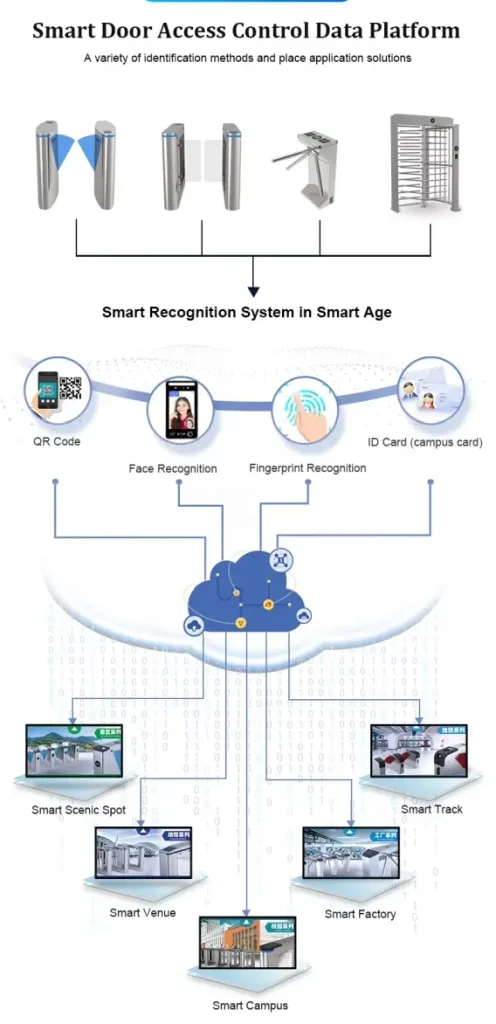
That means buyers are evaluating turnstiles against a wider list of requirements:
• Multi-Credential Compatibility
A site may need to support RFID cards, QR codes, mobile credentials, and in some cases biometric verification. During migration, mixed credential environments are normal, not temporary exceptions. HID reports that 84% of end users in mobile deployments still maintain physical credentials, which shows why flexibility matters in real projects.
• Stable Operation In Mixed Architectures
Some sites will still rely on local decision-making and on-prem hardware for resilience or policy reasons. Others will want cloud-based visibility, faster deployment, and easier remote administration. The best turnstile gate should support this mixed architecture without creating friction between the field lane and the management layer. Genetec specifically frames hybrid cloud as a practical long-term path for organizations balancing existing infrastructure with modernization goals.
• Cybersecurity And Policy Alignment
Entrance control is now much closer to IT governance than it used to be. NIST's zero trust work centers on secure, authorized access across distributed environments, and physical security teams are increasingly aligning with IT around cybersecurity priorities. In this context, a turnstile is not just mechanical equipment. It is part of a controlled trust boundary.
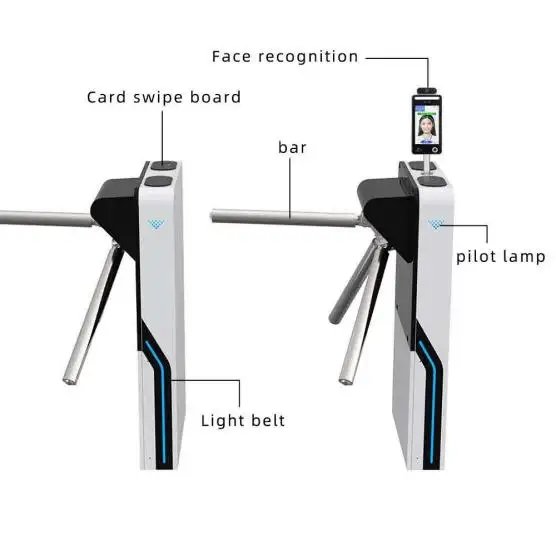
How Turboo Matches the Direction of the Market
Turboo is well positioned for this shift because the company's turnstile approach can be framed around what buyers now need most: dependable physical control combined with modern system compatibility.
For hybrid-cloud access control systems, that translates into several practical strengths:
• Integration-focused design that supports broader access control ecosystems rather than locking buyers into a narrow hardware logic
• Project flexibility for office buildings, campuses, transport hubs, and other sites where legacy and newer infrastructure may need to coexist
• Upgrade-friendly deployment logic that helps buyers modernize entrances in phases instead of forcing full replacement
• User-oriented passage control that supports both security discipline and a smoother entry experience
This is also consistent with where the physical security market is heading. Genetec's 2026 trend outlook points to hybrid cloud, connected platforms, and access control modernization as major priorities, while identity technologies such as mobile credentials and biometrics continue to expand.
Choosing the Best Turnstile Gate for a Future-Ready Project
For overseas buyers, the procurement question is becoming more strategic. Instead of asking only whether a gate can open and close reliably, it is more useful to ask:
• Can this turnstile work with our current access control architecture?
• Can it support phased migration toward cloud-based management?
• Can it adapt to mixed credential use during transition?
• Can it fit stricter security and identity requirements later on?
Those questions lead to a more realistic definition of the best turnstile gate. In 2026, the best choice is not the one with the most aggressive styling or the simplest lane logic. It is the one that helps the site move forward without breaking compatibility, weakening control, or making future upgrades harder.
Final Thought
Hybrid-cloud access control is changing how entrance equipment is selected. Buyers want the flexibility of cloud management, the control of on-prem infrastructure, and the freedom to modernize in stages. In that environment, Turboo's integration-ready turnstile direction makes strong commercial sense. It supports the market's move toward connected, upgrade-friendly, identity-aware entrance control, which is exactly where modern access projects are going.