


Smarter Turnstile Access Control Systems For Commercial Buildings in 2026

A crowded lobby is not only an inconvenience. In many commercial buildings, it is where security gaps, poor visitor handling, and tenant frustration show up first. Property teams are under pressure to keep entry fast, professional, and secure at the same time. That is why a modern Turnstile Access Control System is no longer viewed as a simple entrance barrier. It is becoming part of a broader building operations strategy shaped by tenant experience, tech-enabled controls, secure visitor management, and code-compliant egress planning.
The Real Problem Is Not Entry, But Unmanaged Movement
Many buildings still rely on a front-desk-heavy access process. On paper, that may seem workable. In practice, it often creates delays at peak hours, inconsistent guest verification, and weak audit trails. Security professionals have increasingly emphasized the need for unified physical identity, credential management, and visitor workflows rather than isolated door hardware alone.
For landlords, operators, and procurement teams, the issue usually appears in four ways:
• Morning and evening traffic causes lobby congestion.
• Manual guest registration slows reception performance.
• Open or poorly controlled lanes raise the risk of unauthorized entry.
• One generic gate type fails to suit every zone in the building.
This is where a well-planned Turnstile Access Control System creates value. It helps separate high-volume movement from high-security movement, while giving building teams clearer control over who enters, where, and when.
Design Access Around Building Zones
One reason older access upgrades underperform is that they are treated as one product decision. In reality, commercial buildings need an access layout strategy.
Different zones require different responses:
• Main Lobby and Tenant Entry
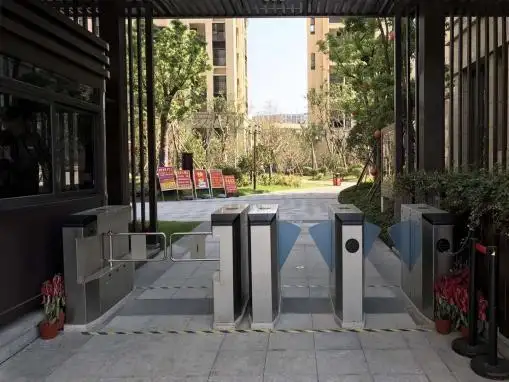
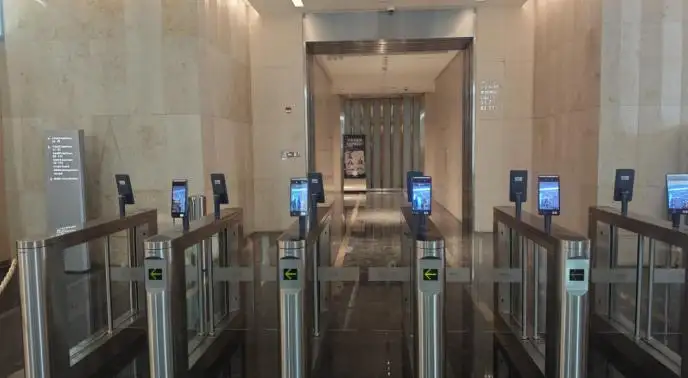
The main lobby needs speed, visual consistency, and a low-friction user experience. Tenants expect entry to feel seamless, especially in premium office assets where tech-enabled building controls are now part of occupier expectations. A smart Turnstile Access Control System in this zone should support rapid credential checks, stable lane throughput, and integration with QR, RFID, mobile credentials, or facial authentication where policy allows.
• Visitor and Contractor Access
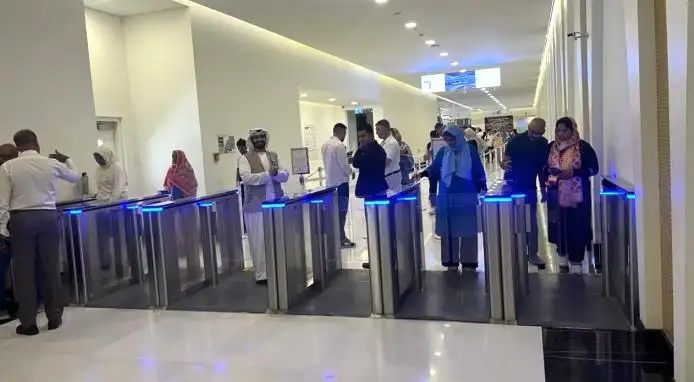
Visitor flow should not depend on paper logs or informal desk checks. Current security practice increasingly favors secure visitor management tied to digital identity and access workflows. That creates a more reliable record, reduces manual errors, and supports better incident review later.
• Parking, Service Corridors, and Restricted Floors
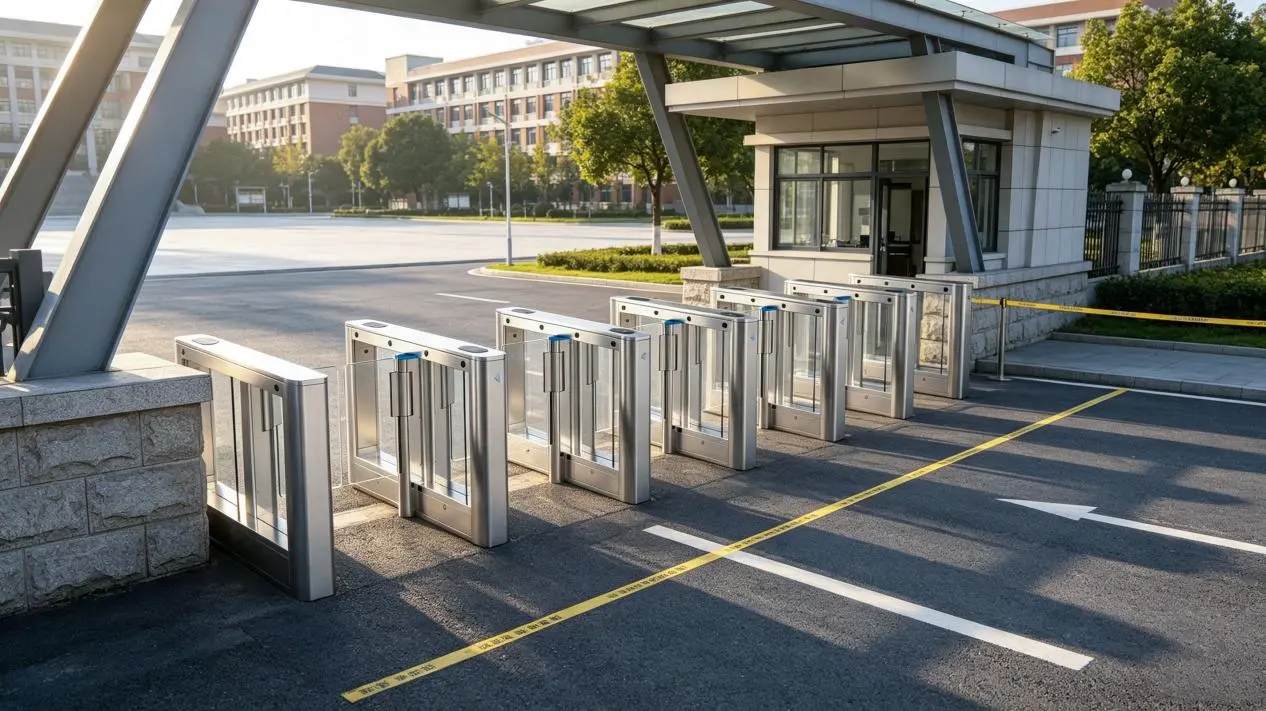
These areas often carry a different risk profile from the front entrance. Parking entries, executive levels, data-sensitive office zones, and back-of-house routes may require stronger anti-tailgating measures and more controlled authorization logic. A properly selected Turnstile Access Control System allows building managers to match the gate style and authentication method to the actual exposure level of each location.
Why Integration Matters More Than Hardware Alone
Buyers often focus first on gate style, lane width, or cabinet finish. Those details matter, but they are not the core issue. A turnstile performs best when it works as part of a connected platform.
The stronger model is an access environment that combines:
• Credential management
• Visitor registration
• Temporary permissions
• Event logs and reporting
• Zone-based authorization
• Alarm and exception handling
NIST’s physical access use cases highlight the importance of centrally managed permissions and physical access control enforcement, while ASIS has also pointed to the need for unified physical and digital identity workflows. In practical terms, that means access decisions should be easier to issue, modify, revoke, and audit across a live building environment.
For commercial property teams, this brings several operational advantages:
• Faster onboarding for tenants and staff
• Better control of temporary visitor access
• Clearer records for compliance and incident review
• Less dependence on manual front-desk judgment
• Better visibility into traffic patterns and staffing needs
Life Safety Must Stay at the Center
Any access upgrade that ignores emergency egress is incomplete. This point is often underestimated in early procurement discussions.
NFPA guidance makes clear that means of egress must remain functional and that access-controlled doors in egress paths are subject to strict life-safety requirements, including release behavior under specific conditions. In plain terms, a commercial Turnstile Access Control System must support security without obstructing lawful exit or emergency evacuation.
That is why buyers should review more than appearance and throughput. They should ask whether the proposed system supports:
• Fail-safe or code-appropriate emergency release logic
• Reliable integration with fire alarm and building safety systems
• Compliant lane and exit planning
• Stable operation during power loss or fault conditions
This is not a secondary technical detail. It is part of responsible building design.
What Overseas Buyers and Property Teams Should Evaluate First
When comparing suppliers, a more useful question is not “Which turnstile looks best?” but “Which solution fits the building’s operational reality?”
A practical review checklist includes:
• Is the Turnstile Access Control System designed for the actual traffic pattern of the site?
• Can it support both tenant convenience and controlled visitor handling?
• Can it align effectively with current access, reception, or facility management procedures?
• Is there a clear service plan covering maintenance, spare parts, and long-term support?
• Can the supplier provide documented proof of testing, certification, and compliance where applicable?
• Does the emergency exit setup satisfy local fire code and life-safety expectations?
For many overseas customers, ease of service is as critical as the first shipment. A system that looks impressive at the beginning but proves difficult to service later can easily develop into an operational problem.
The Shift in Market Thinking
Commercial buildings are no longer judged only by location and rent level. They are increasingly judged by daily experience, operating discipline, and how smoothly people move through the asset. JLL and CBRE both point to stronger occupier focus on technology-enabled controls and better workplace experience, which makes entry design more commercially relevant than it used to be.
From that angle, a Turnstile Access Control System is not only a security product. It is part of how a building presents itself to tenants, visitors, and service partners every day.
A better access strategy can help commercial properties:
• Reduce lobby friction
• Strengthen visitor accountability
• Support tenant satisfaction
• Improve operational oversight
• Reinforce the building’s professional image
That is the real business case. In today’s market, access control is no longer just about stopping the wrong person. It is also about helping the right people move through the building with confidence.