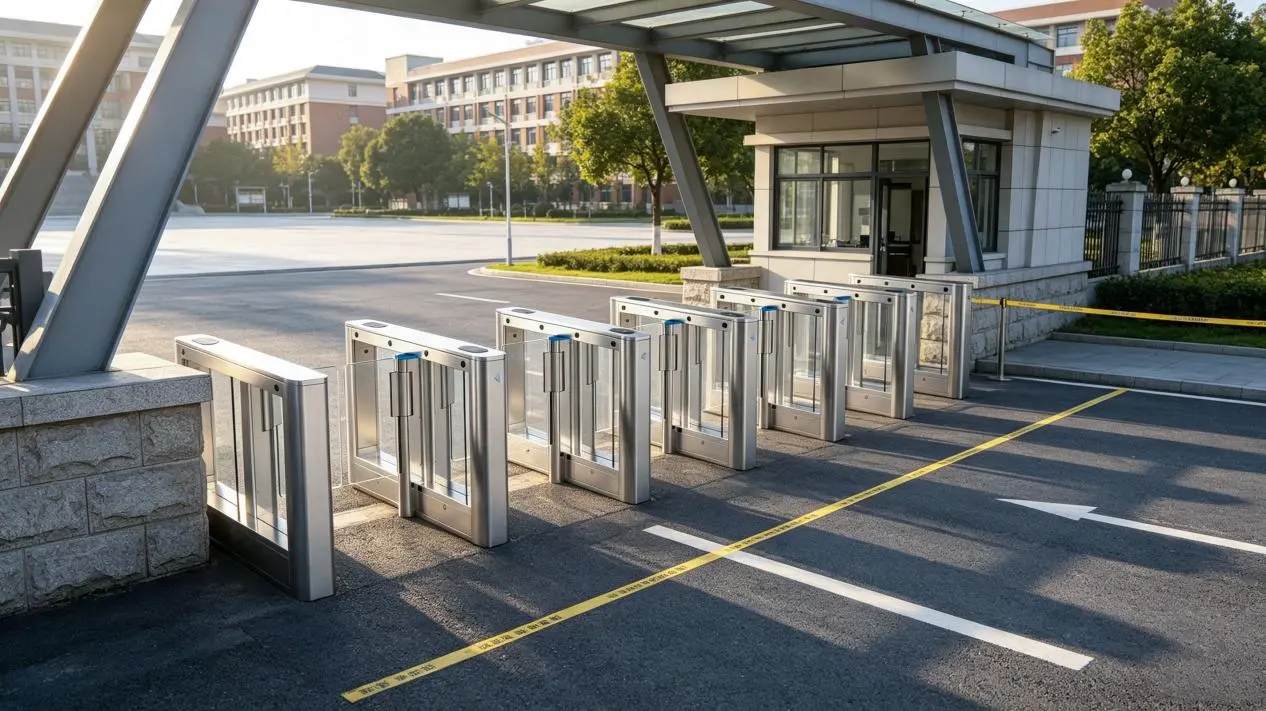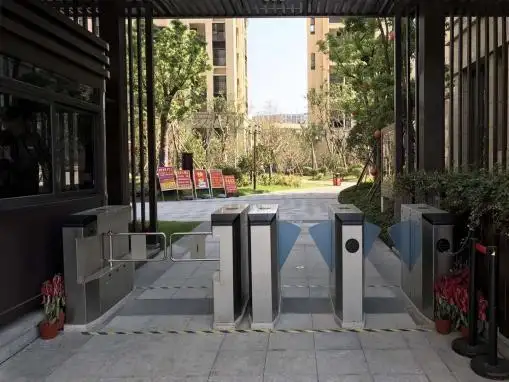



Swing Turnstile Gate for Airports: Dual-ID Verification Technology Makes Security Better

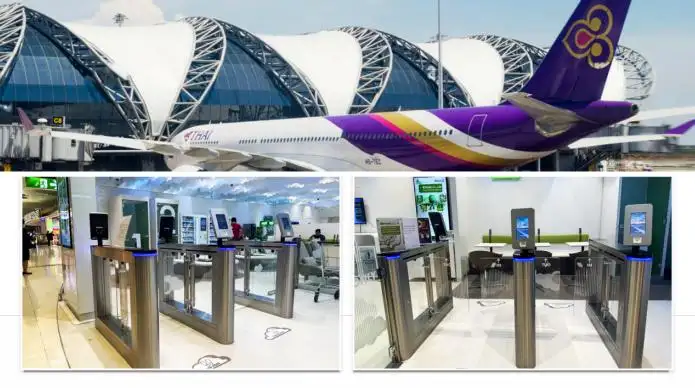
Basic boarding-gate checks are no longer enough for airport operations. Increasing passenger flow and stricter terminal management require a higher level of security with minimal impact on movement efficiency. That shift is pushing gate systems from simple access control toward smarter identity verification. A Swing Turnstile Gate For Airports is now more than a barrier. It supports both risk control and efficient passenger processing. This shift also reflects wider industry trends, as aviation authorities and airport technology programs place greater focus on trusted identity data, biometric verification, and smoother checkpoint integration.
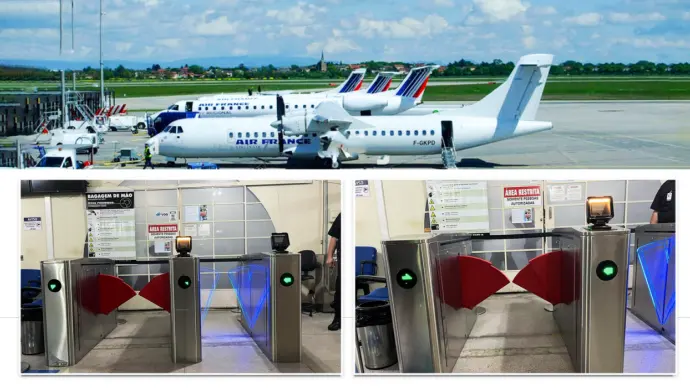
The Problem With Single-Credential Access
Many conventional boarding lanes still rely on one trigger for access, such as a barcode, ID card, or boarding pass. That model may appear efficient, but it leaves an obvious weakness: possession of a credential does not always prove ownership of that credential.
For airport managers, this creates several practical concerns:
• A borrowed or misused boarding pass may still activate access
• Identity confirmation may depend too heavily on manual staff review
• Post-event investigation data may be incomplete or fragmented
• Security performance may fall during peak boarding windows
This is where a more advanced Swing Turnstile Gate For Airports becomes valuable. Instead of simply opening after one scan, it can support a layered verification process that better matches today's airport operating risk.
Why Dual Verification Makes More Sense Now
The strongest argument for dual verification is simple: one check confirms a travel token, while the second check helps confirm the traveler. That approach aligns with the broader industry move toward digital identity, biometric comparison, and secure pre-validated passenger journeys. IATA describes this as part of the transition toward a more contactless and trusted airport experience, and TSA has also expanded the use of credential authentication and digital identity tools to strengthen passenger identity verification.
For airport applications, dual verification can be configured in several practical ways:
• Boarding pass + face comparison
• Government ID + biometric match
• Card credential + mobile credential
• Primary document check + database validation
This type of architecture gives airports more control over how strict each lane should be. A domestic boarding area, transfer corridor, staff access zone, or restricted terminal section does not always need the same logic. A configurable Swing Turnstile Gate For Airports allows the airport to adapt verification rules by location, traffic profile, and threat level.
What Buyers Should Really Look For
Many product pages focus heavily on appearance, opening speed, or housing material. Those details matter, but serious buyers usually start elsewhere. They want to know whether the gate can support daily operational pressure without becoming a maintenance burden or a passenger bottleneck.
When evaluating a Swing Turnstile Gate For Airports, the more useful questions are these:
• Can it integrate with existing scanners, ID readers, biometric modules, and airport control software?
• Can it support both one-way and two-way authorization logic?
• Can it prevent tailgating, reverse passage, and timeout misuse?
• Can the gate recover safely after a failed verification attempt?
• Can the system maintain stable performance during traffic peaks?
From a procurement perspective, the best gate is not the one with the longest feature list. It is the one that fits real airport workflows, reduces manual intervention, and remains dependable under repeated use.
How Turboo's product Fits This New Airport Requirement
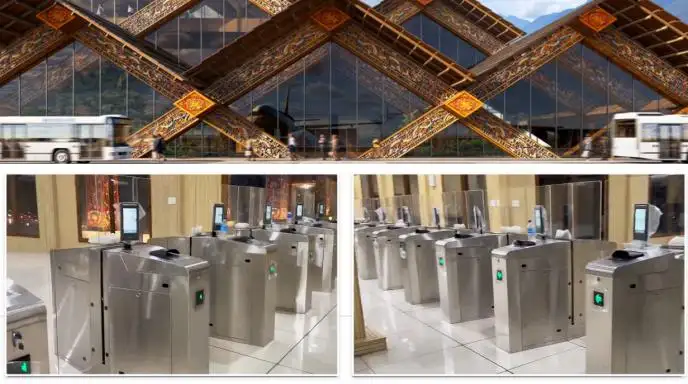
A product such as Turboo's M3611 is better positioned when presented not as a generic access gate, but as a modular verification platform for airport lanes. That framing is more relevant to what modern buyers actually care about.
Its value is easier to understand through operational outcomes:
• It supports integration with multiple credential-reading methods
• It can be configured for sequential or simultaneous verification
• It helps strengthen access control after authorization through anti-tailgating logic
• It is designed for high-frequency use in demanding public environments
• It gives operators a clearer audit trail for access events and verification outcomes
That matters because airports are not only purchasing equipment. They are purchasing reliability, traceability, and smoother passenger movement.
A well-designed Swing Turnstile Gate For Airports should also improve the space around it. It should reduce hesitation at the lane, lower staff dependency, and make instructions easier for passengers to follow. In practice, that often has just as much value as the security upgrade itself.
The Business Case Goes Beyond Security
Security is usually the first reason airports review gate technology, but it is rarely the only one. Identity-linked gate systems can also support broader operational improvement.
Key benefits often include:
• Better lane efficiency during boarding surges
• More structured event logs for compliance and review
• Stronger coordination between gate hardware and airport IT systems
• Better planning data for staffing and lane design
• A more modern passenger impression at critical touchpoints
ACI has highlighted how airport digital transformation is increasingly tied to passenger flow, secure identity validation, and terminal efficiency. That trend makes advanced gate systems relevant not only for security teams, but also for terminal planners, airport IT departments, and commercial operators.
A Smarter Gate Strategy for Future-Ready Airports
Airport security technology is moving toward more connected, more digital, and more identity-aware processing. ICAO's work on digital travel credentials and IATA's work on One ID both point in the same direction: verification will become more interoperable, more automated, and more closely tied to trusted passenger identity.
That is why a Swing Turnstile Gate For Airports should be selected with future expansion in mind. Buyers should favor solutions that are modular, integration-friendly, and adaptable to evolving verification methods rather than fixed-function barriers that may age quickly.
For airports reviewing self-boarding upgrades, the question is no longer whether gate hardware can open and close. The real question is whether the gate can help the airport process legitimate passengers faster while making unauthorized passage far harder. That is the standard modern aviation infrastructure now has to meet.
For further authority-backed reading, you can reference IATA's One ID program, ICAO's Digital Travel Credential guidance, TSA's Credential Authentication Technology resources, and ACI airport digital transformation case materials.