


Gym Access Control Turnstile: Open Mode vs Closed Mode Benefits

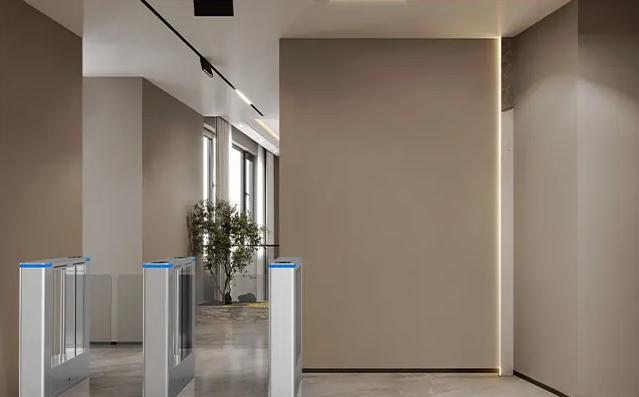
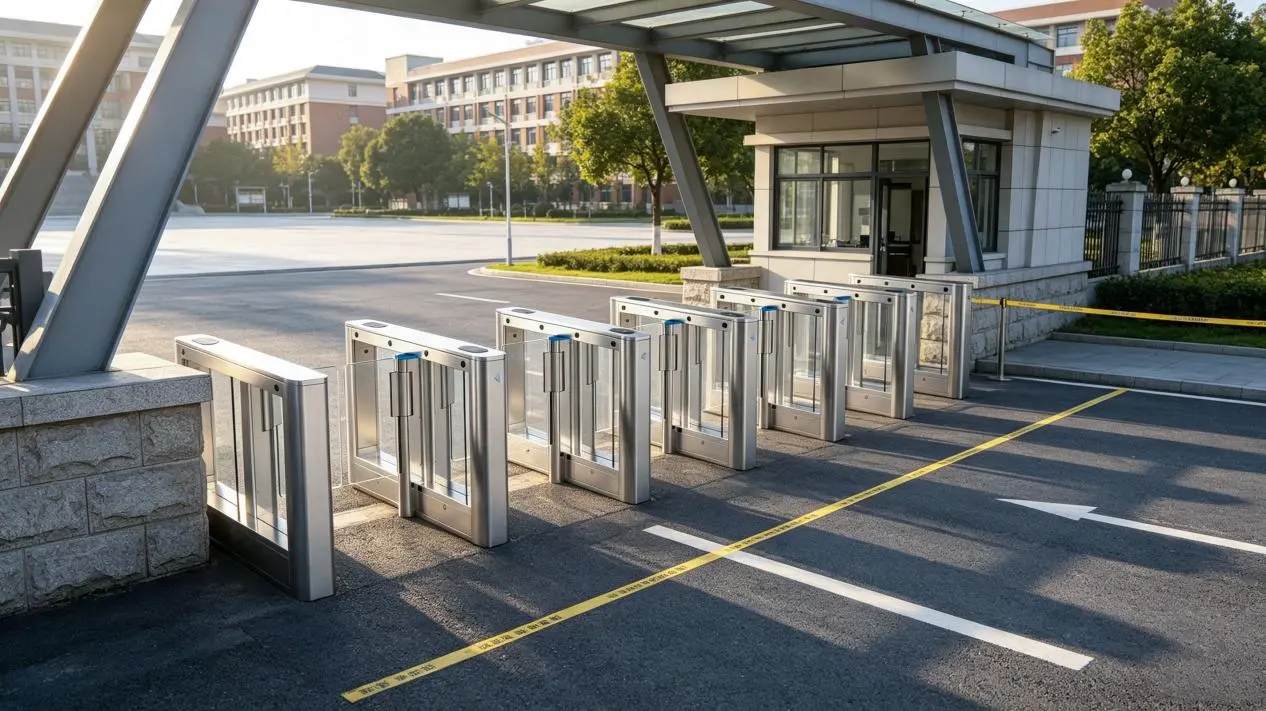
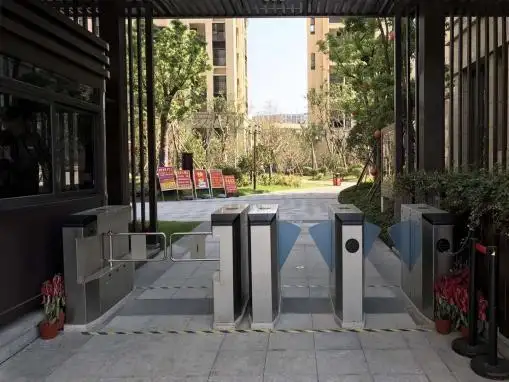
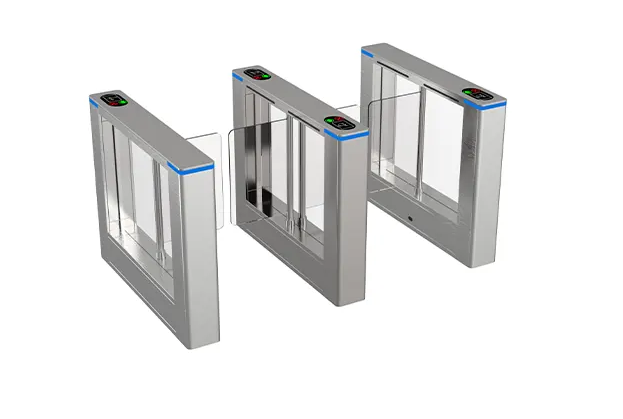
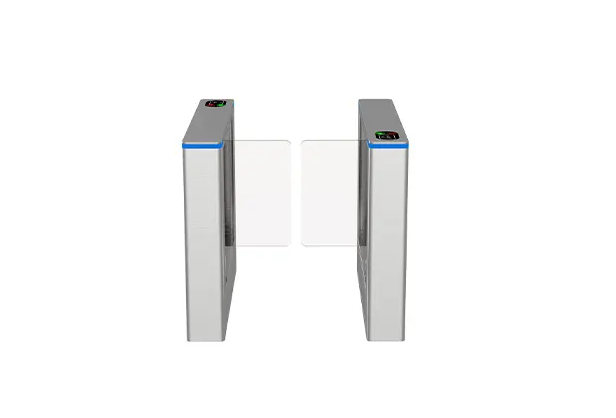
Gym Access Control Turnstile projects often succeed or fail on one decision that looks "small" on paper: Open Mode vs Closed Mode. We see many gyms buy a good-looking speed gate, then struggle with member complaints, queue pressure, or rule disputes—because the operating mode did not match the site’s real workflow. Using our Speed Gate H329 as a reference, this article explains both modes in plain language and turns each advantage into practical benefits for gym operators.
Open Mode Vs Closed Mode: The Beginner-Friendly Definition
A Gym Access Control Turnstile can be configured to behave in two main ways:
• Open Mode means the lane is normally open (or behaves like a "free passage" lane under defined conditions). It emphasizes welcome, speed, and comfort.
• Closed Mode means the lane is locked by default and opens only after a valid credential is verified. It emphasizes rule enforcement, membership protection, and clear access discipline.
Both modes can work well. The key is choosing the mode that matches your business hours, staffing, membership risk, and traffic pattern.
Open Mode Benefits: Member Experience First, Friction Less
Open Mode is usually selected when the gym wants entry to feel smooth and premium. The goal is not "no control," but less visible friction at the door.
In day-to-day operations, Open Mode benefits show up as:
✓ Faster arrival flow during peak hours: fewer forced stops reduce queue buildup at the entrance.
✓ A friendlier first impression: new members feel welcomed rather than "blocked," which fits boutique studios and premium clubs.
✓ Lower front-desk pressure: staff spend less time resolving small entry pauses, especially when visitors need guidance.
Open Mode works best when you already have some human supervision, such as a staffed reception area, or when the entrance is inside a controlled building. If you run promotions or trial passes frequently, Open Mode can also reduce "awkward moments" at the gate while staff confirms details.
Closed Mode Benefits: Stronger Membership Protection and Clear Rules
Closed Mode is the standard choice when membership value must be protected with consistent control. The lane stays locked until the system confirms authorization.
For many gyms, Closed Mode delivers these real benefits:
✓ Clear "pay-to-enter" discipline: members learn the rule quickly—credential first, entry second.
✓ Reduced tailgating risk: when paired with anti-tail logic, it becomes harder for a second person to slip through.
✓ Better control during low-staff hours: if your front desk is not always present, Closed Mode reduces loopholes.
With Turboo Speed Gate H329, Closed Mode combines well with functions like anti-tail, anti-reverse pass, and automatic reset (the lane returns to locked state if a person does not pass within the set time). For operators, this is not "extra tech"—it is fewer disputes and fewer "special exceptions" that staff must handle.
How to Choose Between Open Mode and Closed Mode in Real Gym Scenarios
If you are deciding as a beginner, do not start with features—start with your daily rhythm. A Gym Access Control Turnstile should match who enters, when they enter, and how closely the entrance is supervised.
A simple decision logic:
Choose Open Mode when your priority is speed, comfort, and a premium entrance feel, and you have staff presence or a controlled environment.
Choose Closed Mode when your priority is membership protection, consistent rules, and unattended-hour security.
Common examples:
✓ Boutique studios (class-based traffic): Open Mode cuts pre-class crowding and keeps early traffic flowing.
✓ 24/7 gyms: Closed Mode tightens access control when staffing is constrained.
✓ High-traffic clubs: Closed Mode at the main entrance, Open Mode at internal zones (already-verified members) often creates the best balance.
The Hidden "Benefits Multiplier": Mode + Rule Settings That Support Each Other
Open Mode and Closed Mode are not only about "open vs lock." They become much more effective when paired with the right rule behavior.
For Open Mode, your goal is flow without confusion:
✓ Keep verification options easy (IC/ID card, scanning, face recognition) to reduce hesitation.
✓ Use a sensible pass window so the lane does not stay in an abnormal state if someone pauses.
✓ Reduce noise and mechanical stress—H329’s low-noise, smooth operation supports a premium feel.
For Closed Mode, your goal is control without frustration:
✓ Anti-tail logic protects membership value during busy times.
✓ Anti-reverse pass prevents wrong-way attempts and "half-turn" behavior.
✓ Automatic reset keeps the lane predictable and reduces staff intervention.
A practical note for beginners: Closed Mode can feel "too strict" if your members frequently make small mistakes. In that case, you can fine-tune the experience with credential logic such as card settings "with memory" or "without memory"—helpful for managing re-taps and short pauses without weakening overall discipline.
A Practical Recommendation From Turboo and a Clear CTA
If you want a safe starting point, many gyms succeed with this strategy:
• Closed Mode as the default for protecting membership value and maintaining rule clarity.
• Open Mode during staffed peak hours when you want faster flow and a more welcoming experience.
• Review entry behavior for one week, then adjust pass timing and rule sensitivity to match real traffic.
At Turboo, the Speed Gate H329 is built to support both approaches with reliable design, smooth operation, low noise, and expandable integration for access control, attendance, and fee-related functions. In other words, your mode choice today does not lock you into one operational style forever—you can evolve as your gym grows.
CTA: If you are planning a new entrance or replacing older gates, contact Turboo and tell us three things: your peak-hour volume, whether you operate 24/7, and which credential method you prefer (IC/ID, scanning, or face recognition). We will recommend a practical Gym Access Control Turnstile mode setup—Open Mode, Closed Mode, or a hybrid schedule—so your entry stays smooth for members and disciplined for operators.