


Entry Turnstiles 2026: How To Balance Speed And Security

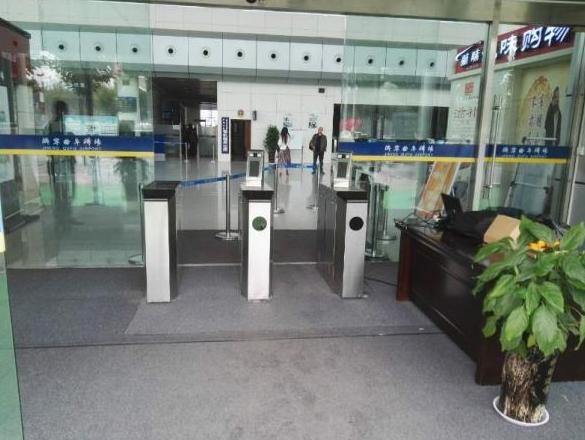
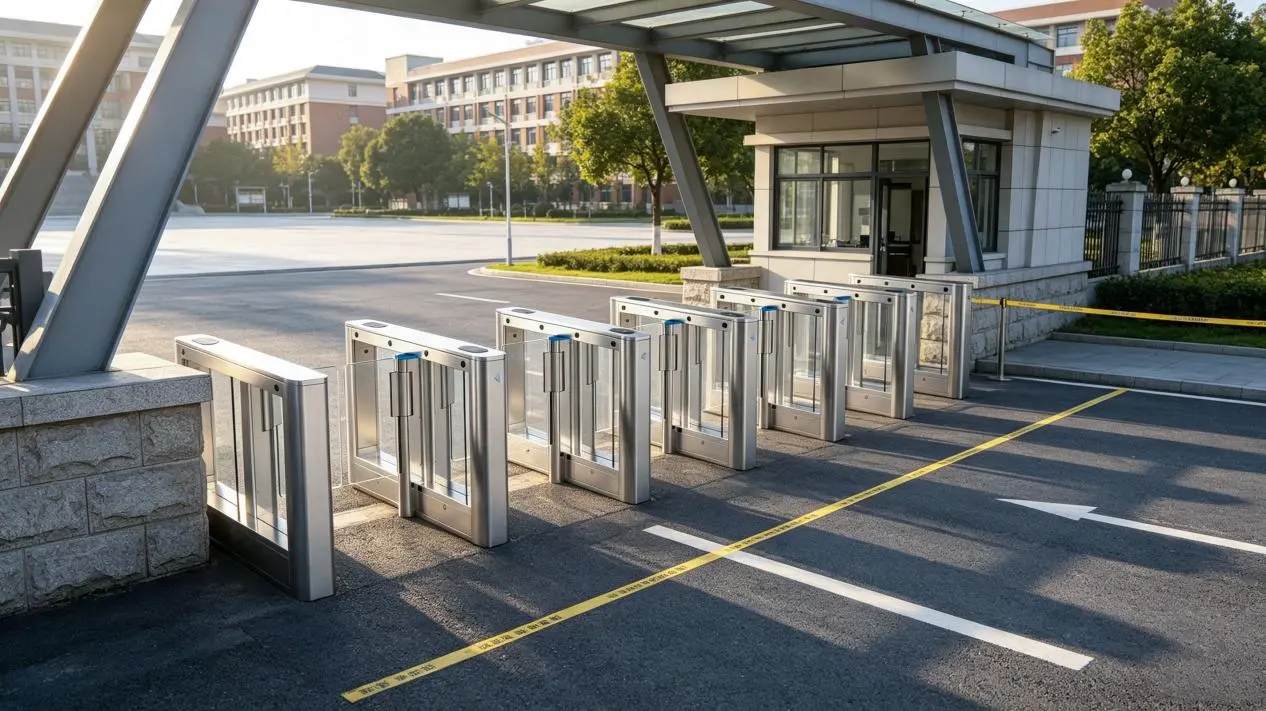
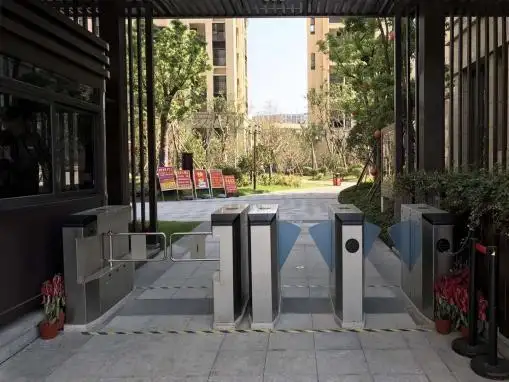
Entry Turnstiles must do two jobs at once: move people quickly and enforce rules without drama. In 2026, that balance is the difference between a lobby that feels professional and a lobby that feels chaotic. At Turboo, we design lanes like the Classic Flap Barrier Gate E242 to make speed feel natural, while security works quietly in the background.
Start With the Real Question: "Where Do You Lose Time?"
When a site says, "We need faster Entry Turnstiles," the problem is rarely the motor speed. Time is usually lost in human behavior: unclear signals, hesitation, wrong direction steps, and staff needing to intervene.
To balance speed and security, you first identify the three most common time-wasters:
✓ Users pause because they are unsure when to enter
✓ Users trigger alarms by stepping back or drifting sideways
✓ The lane stays open too long and disrupts the next person’s rhythm
A good gate reduces these moments by making the correct action obvious and the incorrect action unhelpful.
Use Quiet, Smooth Mechanics to Reduce Hesitation
Speed begins with confidence. If a gate looks noisy or moves with sudden force, first-time users slow down. That hesitation creates a chain reaction in queues.
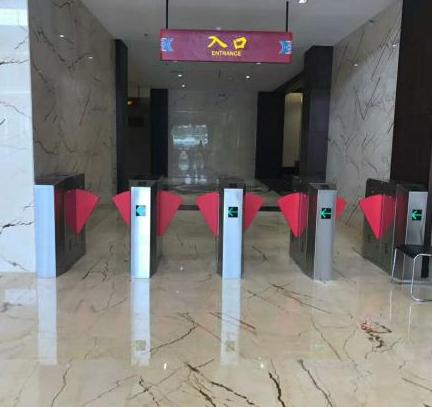
The Turboo Classic Flap Barrier Gate E242 is designed for low noise, smooth operation, and long service life. For beginners, here is why those "basic" points are actually speed tools:
Smooth movement helps people commit to the forward path. Low noise reduces the feeling of tension in the lane. In offices, hospitals, and reception areas, a quiet lane also supports a calm environment, which lowers user mistakes during peak hours.
When Entry Turnstiles feel predictable, people stop "testing" the lane. That alone improves throughput while keeping behavior clean.
Let Security Rules Do the Work: Anti-Tailgating and Anti-Reverse Passing
Many sites try to increase speed by "loosening" control. That can backfire. When misuse rises, staff step in, alarms increase, and flow gets slower than before.
The better approach is automated rules that stop misuse without stopping the whole line.
Anti-Tailgating protects one-person-per-credential behavior. It reduces the most common speed-killer in crowded entrances: one valid user bringing another person through close behind. When the lane blocks that behavior consistently, queues become more orderly because people understand the rule quickly.
Anti-Reverse Passing is equally important for smooth flow. After a valid authorization, the lane expects forward movement. If someone turns around midway or tries to move the wrong way, the system treats it as abnormal. This prevents the "half entry" problem—when a user backs out and confuses the next person.
Together, these functions help Entry Turnstiles remain fast for normal users and strict for abnormal events. That is the core of balance.
✓ Fewer interruptions from staff intervention
✓ Cleaner movement direction, fewer mid-lane turnarounds
✓ Less "crowding pressure" because the lane enforces spacing
Tune User Rhythm With Card "With Memory" Vs "Without Memory"
Speed is not only hardware. It is also timing logic.
On E242, the card can be set to "with memory" or "without memory." This setting sounds small, but it can decide whether a lane feels welcoming or overly strict.
With Memory can support speed in real life. It helps when users need one extra second to step forward—such as visitors, people carrying items, or users who hesitate because they are new to the building. The lane "remembers" the valid access briefly, so one small delay does not become an alarm.
Without Memory makes the lane stricter. It can be useful in higher-control scenarios where you want the authorization and passing action tightly linked.
Balancing speed and security means choosing the setting based on your user type:
• Corporate offices: often benefit from "with memory" to reduce false alarms
• Paid venues or controlled zones: may prefer stricter timing to reduce abuse
• Mixed buildings: can apply different settings per lane to fit different flows
• Entry Turnstiles should not force one behavior. They should let you configure behavior.
Prevent Flow Breaks With Auto-Reset and Infrared Anti-Clip
A queue becomes slow when the lane does not return to "ready status" quickly and safely.
Automatic Reset is a speed-and-security feature at the same time. After access is granted, if a person does not pass within the time set, the gate restores to the locked state. This prevents a lane from staying open and creating a security gap. It also protects flow by avoiding "free pass confusion," where the next person steps in because the lane still looks open.
Infrared Anti-Clip reduces another hidden cause of slow entry: fear. If users worry about being clipped when the gate is running, they naturally slow down. Infrared protection helps prevent pinching when the gate is open or moving, so people pass with more confidence.
In practice, safer Entry Turnstiles usually move faster—not because they rush, but because users hesitate less.
✓ Less stuck-open time, fewer queue disruptions
✓ Stronger safety perception, smoother walking pace
✓ Fewer error events that require resets or manual checks
Build Flexible Access Modes So Speed Matches the Moment
In 2026, entrance conditions change by time and by crowd type. A single rigid mode often causes either delays or security loopholes.
The E242 supports two modes of operation—open or closed—and offers various working modes such as two-way card reading and one-way card reading. It is also compatible with IC/ID cards, scanning, and face recognition.
This flexibility allows speed–security tuning based on actual site context:
During peak entry, maintain smooth passage with stable rules. During off-hours or restricted times, tighten admission by switching modes or directing flow. The key is that you do not need a new gate to change strategy—you only need the right configuration.
CTA: If you are planning Entry Turnstiles for 2026 and want a practical balance between fast throughput and consistent security rules, Turboo can help you map your traffic peaks, risk points, and credential choices. Reach out for an E242 configuration recommendation—memory settings, lane modes, and sensor logic—built for your daily flow, not just a catalog spec.