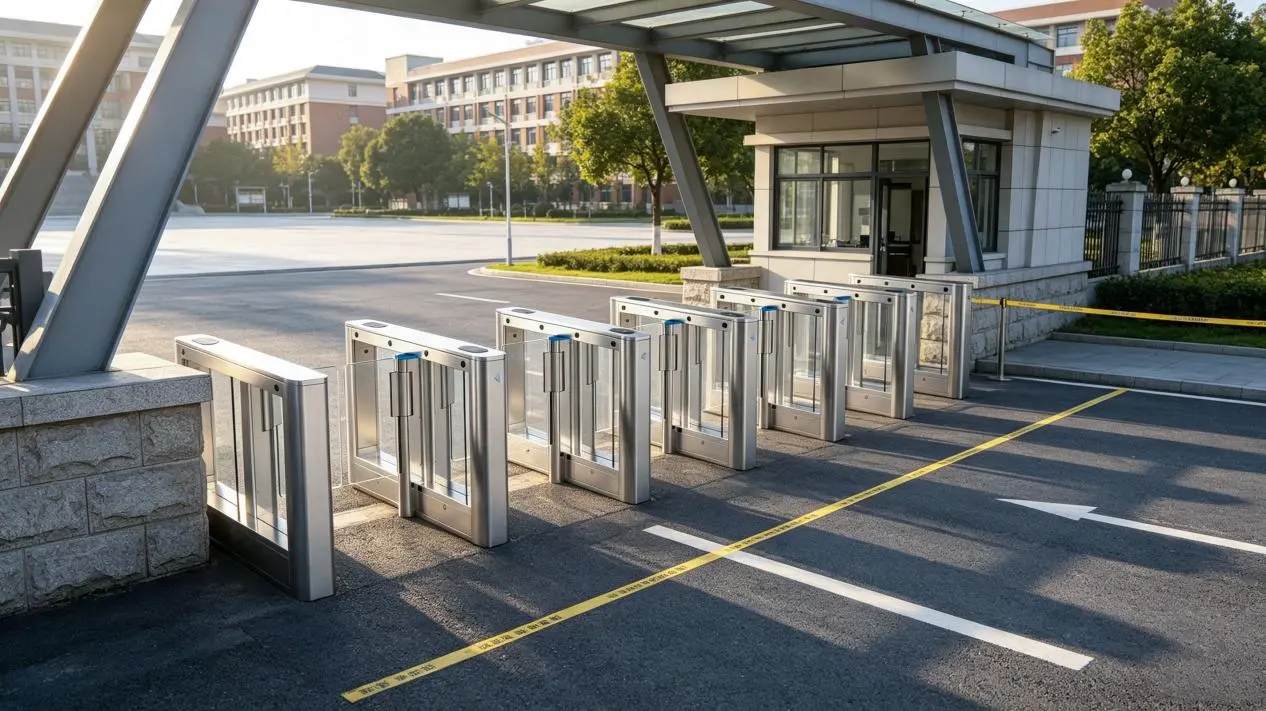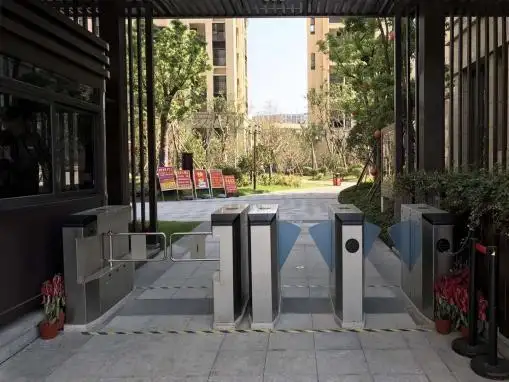



Electronic Turnstile: Card "With Memory" vs "Without Memory" Explained


Electronic Turnstile access control is no longer just a "stop sign" at the door—it is a traffic system for people. When it is set up well, it guides users quietly and safely, keeps security rules consistent, and reduces daily friction for staff and visitors. For first-time buyers, the confusing part is that two gates can look similar, yet behave very differently. Often, the difference comes down to one configuration choice: card "with memory" vs "without memory."
Why Card "Memory" Settings Matter in an Electronic Turnstile
When beginners compare an Electronic Turnstile, they usually start with design, speed, and price. Those are important, but they do not explain the real experience on Monday morning at 8:45. The lane behavior—how it reacts to a user who pauses, a visitor who hesitates, or someone who tries to follow closely—comes from controller logic.
Card memory settings can be tailored to suit different environments—whether it’s a premium office lobby, a campus requiring structured yet flexible flow, a factory focused on strict discipline, or a venue with unpredictable visitor movement. The right setting influences more than just convenience; it directly affects queue efficiency, staff workload, and the system's ability to consistently enforce "one person, one credential."
In other words, card memory is not a small technical switch. It is a policy decision expressed in software.
Electronic Turnstile Basics: How a Speed Gate Decides
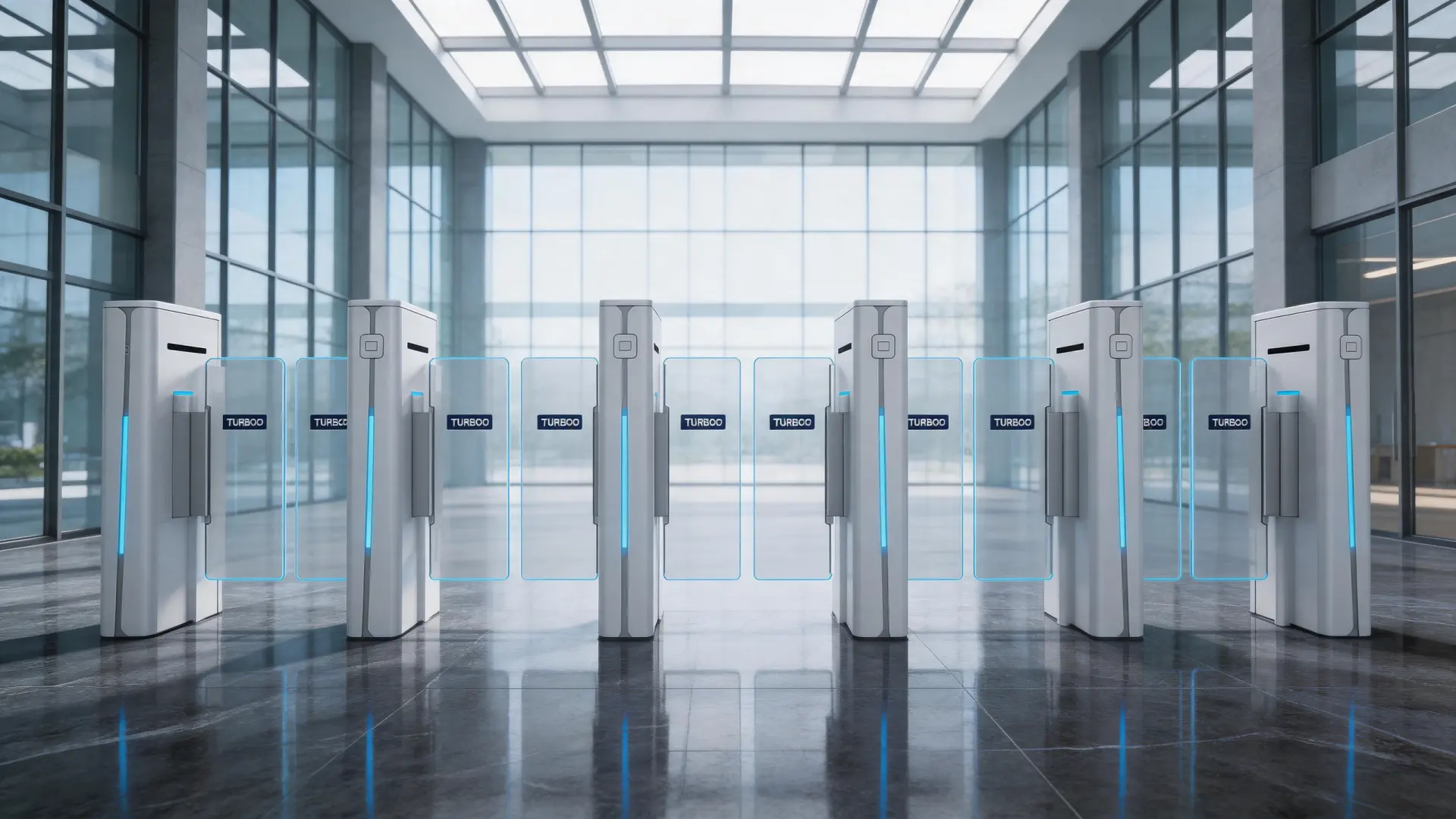
The LA3217 speed gate, manufactured by Turboo, is built for reliable structure, low noise, smooth movement, and long service life. But "smooth" is not only about mechanics. A modern Electronic Turnstile is a coordinated system of three parts:
• Authentication (IC/ID card, QR scanning, face recognition)
• Control logic (permission, timing, and working modes)
• Sensors (monitoring passage, safety, and misuse)
Here is the simple workflow most lanes follow:
✓ A user presents a credential (card, code, or face)
✓ The controller verifies permission and triggers an unlock action
✓ Sensors track passage and confirm correct direction and spacing
✓ The system returns to a locked state after a valid pass is completed
That last step is where many projects win or lose. If the lane stays open too long, security weakens. If it resets too aggressively, user experience suffers. The goal is to align timing with real human behavior.
Card "With Memory" Vs "Without Memory" Explained
Think of "memory" as what the Electronic Turnstile does after it has already accepted a valid credential.
Card "With Memory"
With memory enabled, the lane can hold an authorized state briefly. Queue-Smoothing Grace
Holds a valid credential for a configurable interval so delayed movement doesn’t force a re-scan.
Benefits:
✓ Cuts re-scans when traffic is heavy
✓ Maintains smooth flow for diverse users
✓ Limits congestion at the reader
Best fit: corporate entries, multi-use properties, lobby reception, high-traffic public spaces.
Card "Without Memory"
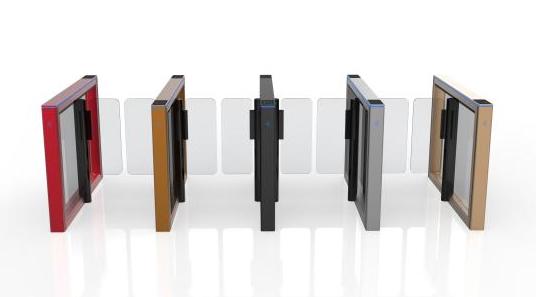
Without memory, authorization is treated as immediate and time-sensitive. The lane expects a direct action: scan, pass, complete. If the user does not pass within the allowed time, the permission expires and a new credential action is required.
This mode is often preferred where security policy is strict or where managers want every entry attempt linked tightly to a live authentication moment. It can also reduce "credential sharing" behaviors, because the system is less tolerant of delays that might allow another person to slip through.
Practical benefits you can expect:
✓ Stronger access discipline in controlled sites
✓ Clearer enforcement of "one person, one credential"
✓ Easier security supervision because behavior is consistent
Where it fits best: factories, staff-only entrances, high-control zones, and sites with formal access procedures.
Neither mode is universally "better." The best choice depends on your traffic pattern, user profile, and tolerance for re-scan events.
How Automatic Reset Protects Both Security and Daily Operations
A common beginner question is simple: What if someone scans, the gate opens, but they never walk through? This happens more often than people think—phone calls, confusion, visitors walking to the wrong lane, or someone testing credentials.
That is why the LA3217 includes an automatic reset logic. After authorization, the Electronic Turnstile can be set to restore to a locked state if the user does not pass within the configured time window. This prevents the lane from staying open longer than needed.
For site operators, the value is direct and measurable in daily work: fewer "open lane" incidents, less guard intervention, and fewer awkward situations where staff must manually reset or explain what happened. For users, it creates a clear rhythm that feels intuitive—scan, pass, and the lane returns to normal.
If you want a stable system, automatic reset is not optional. It is the baseline that keeps flow clean without adding labor.
Security and Safety Features Beginners Should Evaluate First
Many buyers focus on stopping unauthorized entry, but an Electronic Turnstile also has to protect users and keep movement comfortable. LA3217 is designed around real entrance problems that appear in almost every project.
• Anti-Tailgating and Anti-Reverse Pass
Tailgating is when a second person tries to follow behind an authorized user. Anti-tailgating logic uses sensor timing and passage detection to reduce that risk. Anti-reverse pass helps prevent wrong-direction movement that can break order, distort counting, and create conflict at the lane.
Customer value is practical: better compliance, fewer disputes at busy times, and a clearer "one person, one credential" policy that the system enforces automatically.
• Infrared Anti-Clip Protection
A speed gate should never feel unsafe. Infrared anti-clip sensing helps prevent closing or pinching risk when the gate is running or open. This matters in public-facing areas, where user behavior is less predictable and safety perception influences trust.
Customer value: fewer safety incidents, easier deployment in high-traffic entrances, and a more comfortable experience for first-time visitors.
• Open Mode Vs Closed Mode
Different sites need different default states. Some prefer closed mode (locked by default, opens only when authorized). Others prefer open mode (open by default, restricts only when needed or during alarms and controlled periods).
Customer value: you can match entrance behavior to business hours, visitor flow, and emergency planning instead of forcing one rigid model onto every scenario.
Choosing the Right Working Mode for Your Site
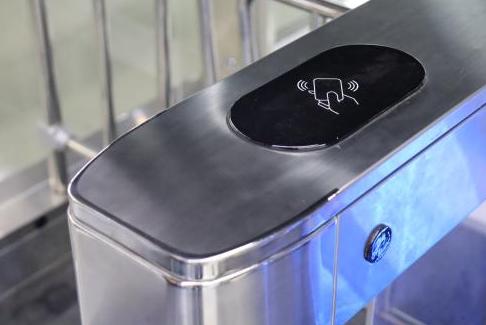
Turboo LA3217 supports flexible working modes, including two-way card reading and one-way card reading. This choice is often more important than hardware details because it defines how people interact with the entrance every day.
Two-way reading is a strong fit when:
✓ You need controlled entry and controlled exit
✓ You care about accurate occupancy logic or attendance records
✓ Your security policy requires verification in both directions
One-way reading is a strong fit when:
✓ Entry must be controlled, but exit should be fast and simple
✓ You want to reduce bottlenecks during peak release times
✓ Your building layout already ensures controlled exits elsewhere
The LA3217 is also compatible with IC/ID card, scanning, and face recognition solutions. That flexibility matters for long-term planning. Many sites begin with cards for staff, then add scanning for visitors, and later adopt face recognition when policy and privacy requirements are clearly defined. A scalable Electronic Turnstile helps you upgrade without replacing the whole lane.
CTA: Get the Right Memory Setting for Your Entrance
If you are designing an entrance for a lobby, campus, factory, or transit-style environment, Turboo can help you decide whether card "with memory" or "without memory" fits your real traffic behavior and security policy. Tell us how traffic should move (directions), how you want it to operate (modes), and when it’s busiest. We’ll match the LA3217 with the right memory logic, reset timing, and integrations—cards, scanning, or face recognition.
A well-configured Electronic Turnstile should feel effortless to users, yet strict toward risk. When memory settings, reset logic, and safety sensors are aligned, the entrance becomes calmer, quieter, and more secure—without adding workload to your team.