

Turnstile OEM & ODM Customization: What Can Actually Be Customized? A Complete Guide for Access Control Projects

In almost every turnstile project discussion, the turnstile gate supplier will be asked the same question: “What level of customization can you provide?”
Behind this question are three critical concerns:
❖ Can you match the specific project requirements?
❖ Do you have the capability to develop a solution from concept to delivery?
❖ Can you handle non-standard or complex scenarios?
In this guide, we clearly explain the full scope of OEM (Original Equipment Manufacturing) and ODM (Original Design Manufacturing) customization capabilities for turnstile gates.
Key Takeaway
Turnstile customization is not just about “modifying dimensions” — it is a full-cycle capability covering structural design → functional adaptation → system integration → mass production delivery.
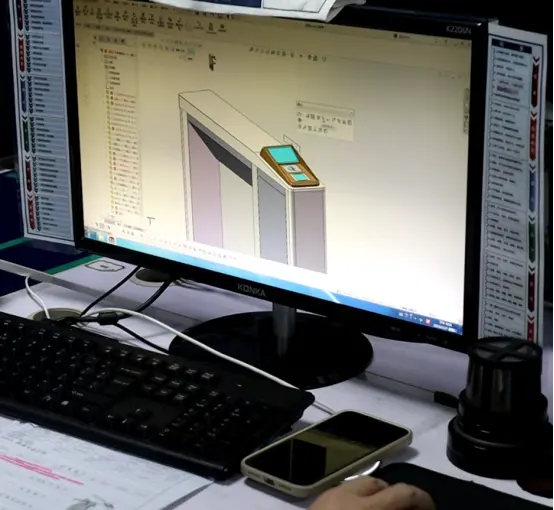
How Much Can a Turnstile Gate Be Customized?
Based on industry practice, turnstile customization can be divided into three levels:
1. Standard Product Optimization (Light Customization)
Suitable for existing mature turnstile products that need minor adaptation to specific projects.
Typical customization includes:
- Dimension adjustment (pass lane width, height)
- Material upgrades (out door anti-corrosion, rust-proofing)
- Branding and appearance customization (logo, color)
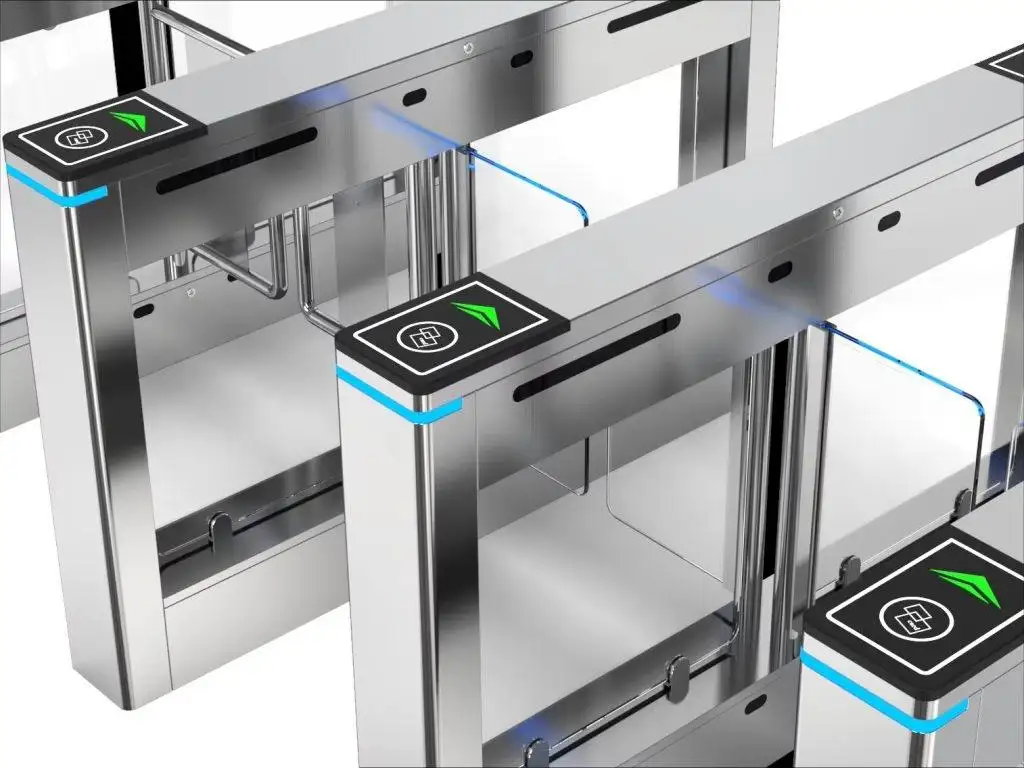
- Basic function configuration (RFID card, facial recognition, QR code integration)
Conclusion:
✔ Short lead time
✔ Controlled cost
✔ Suitable for most standard access control projects
2.Structural & Functional Customization (Mid-Level Customization)
Suitable for complex scenarios where standard products cannot fully meet project requirements.
Typical applications:
- Construction sites (dustproof, impact-resistant turnstiles)
- High-traffic environments such as scenic areas or parks (high throughput efficiency)
- Special access lanes(accessible entrances, extra-wide lanes)
Customization scope:
- Structural redesign(include waterproof, dustproof, anti-impact)
- Passage logic optimization (peak-hour flow strategies)
- Drive system tuning (speed, stability, lifespan)
- Multi-system integration (access control + facial recognition + third-party platforms)
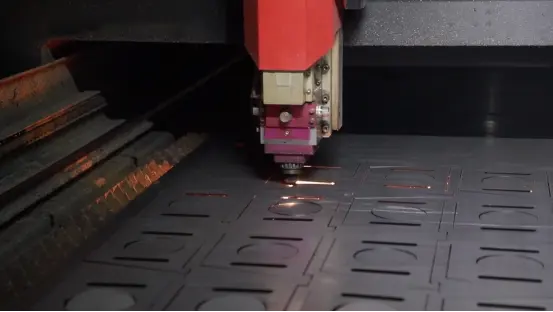
3.Full Product Development (Deep ODM Customization)
Designed for fully non-standard turnstile requirements or entirely new product concepts.
Typical scenarios:
- Airport / Customs, and other high-security access control systems scenarios
- Smart campuses / unmanned supermarket and other new intelligent place
- Private-label branding (OEM / ODM projects)
- Special functional requirements
Full ODM capability includes:
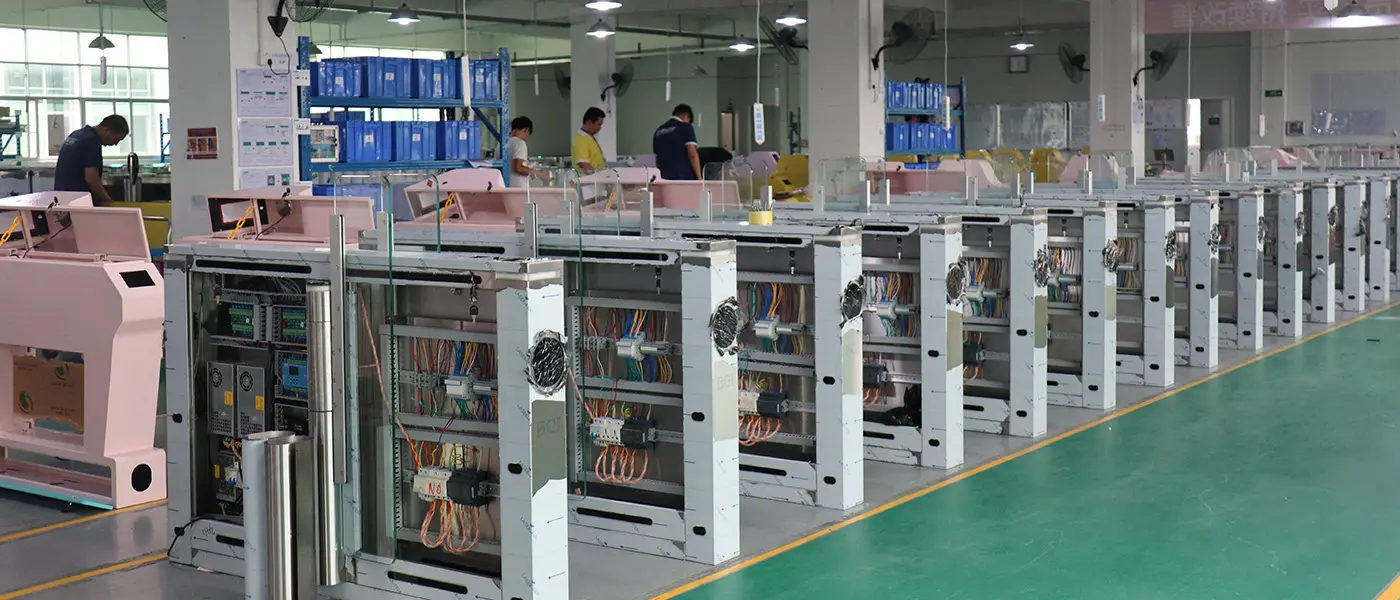
- Industrial design (ID)
- Mechanical engineering (ME)
- Control system development (hardware + software)
- Prototyping → testing → optimization → mass production
In essence, ODM transforms a manufacturer into a co-developer of your product, not just a supplier.
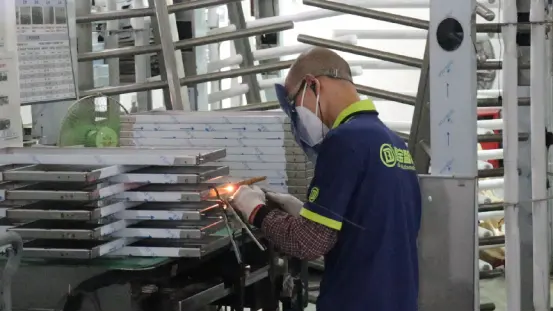
How a Turnstile ODM Project Is Delivered
Many clients ask: “You say you can customize — but how does the process actually work?”
Step 1: Requirement Analysis (Most Critical)
Define three key aspects:
- Application scenario (indoor / outdoor / industrial / commercial)
- Throughput & security requirements
- System integration needs
This step determines over 80% of the final result.
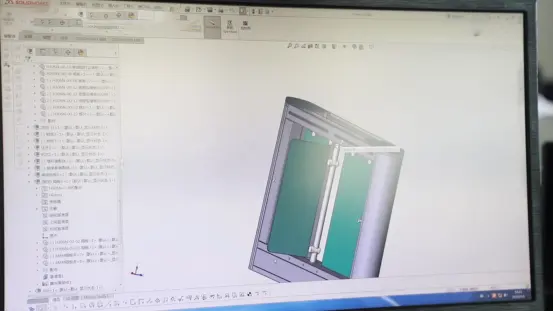
Step 2: Solution Design
Transform requirements into a feasible technical solution:
- Product structure
- Functional configuration
- System integration approach
Step 3: Prototyping & Testing
Build and validate prototypes to reduce production risk.
Step 4: Optimization & Finalization
Refine the solution based on testing feedback before mass production.
Step 5: Mass Production & Delivery
Standardized production, strict quality control, and reliable project delivery.
In short: ODM is not about building a product — it is about turning a requirement into a stable, scalable solution.
Top 3 Questions Clients Care About
1.Will the price of the customized turnstile be very high?
Not necessarily — it depends on the level of customization.
- Light customization → low cost impact
- Mid-level → moderate increase
- Full ODM → requires investment
In many cases, proper customization reduces long-term project costs by minimizing failures and maintenance.
2.Will the lead time be very long?
Typical timelines:
- Light: 2–4 weeks
- Mid-level: 4–6 weeks
- ODM: 8+ weeks
The key factor is not time, but clarity of requirements and execution capability.
3.Can the System Be Expanded Later?
A well-designed turnstile system should allow future expansion from the beginning:
- Feature additions
- Lane expansion
- System upgrades
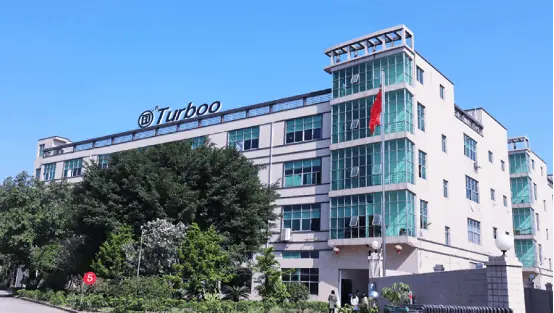
What Turboo turnstile Can Provide?
With extensive experience in global turnstile projects, we offer full OEM and ODM customization capabilities:
✔Full-Chain Capability from Standard Optimization to New Turnstile Development
- Standard product adaptation
- Non-standard structural design
- Full ODM product development
✔ Multi-Scenario Experience
- Airports & customs
- Construction sites
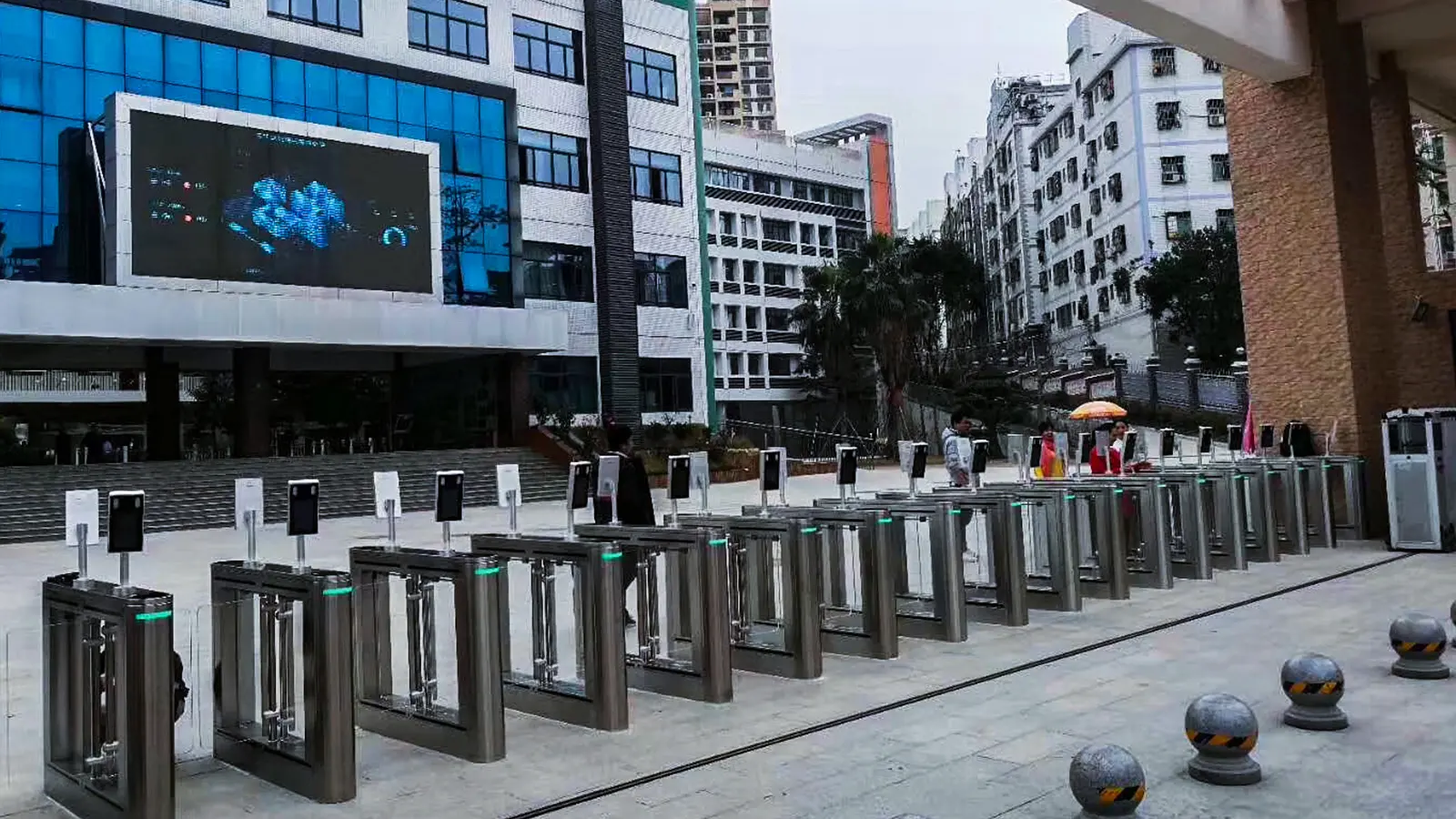
- Commercial buildings & campuses
- Public and outdoor environments
✔ One-Stop Delivery
From design to mass production, including hardware manufacturing and system integration. Project implementation support.
Final Advice
When evaluating a turnstile manufacturer, focus on three key factors:
⭐ Proven project experience
⭐ Ability to translate requirements into structured solutions
⭐ Full prototyping and mass production capability
The essence of turnstile OEM/ODM is not whether a supplier “can modify a product,” but whether they can transform complex project requirements into stable, scalable solutions.
Need a Custom Turnstile Solution for Your Project?
If you are working on projects such as airports, metro stations, construction sites, or commercial buildings, etc. we can help you quickly determine whether a standard solution is sufficient or a custom development is required.
👉Contact us today for expert evaluation and tailored solutions.
Share on Social: