



What to Know About Turnstile with Access Control Integration

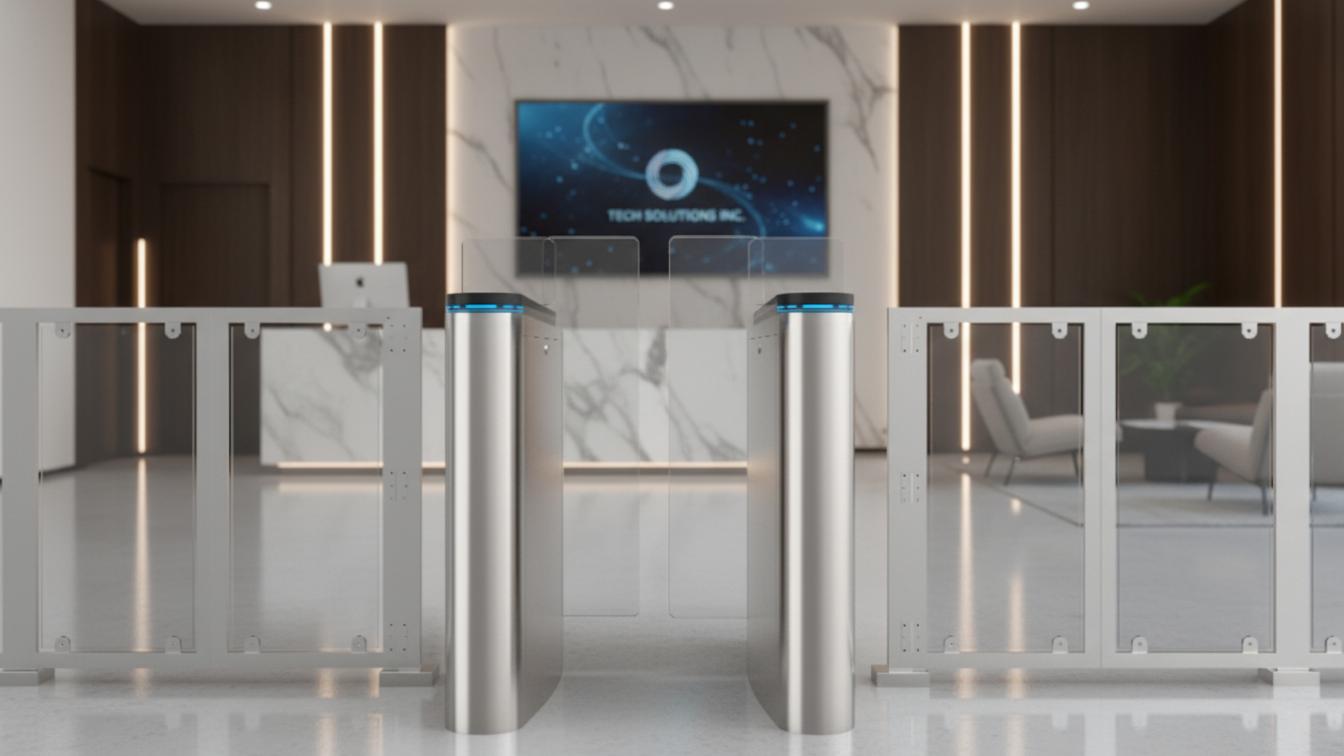
A turnstile with access control integration links the barrier at the gate with your cards, codes or face recognition system, so that only approved users can pass. It looks simple on the surface. But the way it is designed and connected can change your security level, user experience and even operating costs. So what should you really look for behind that slim, sliding gate?
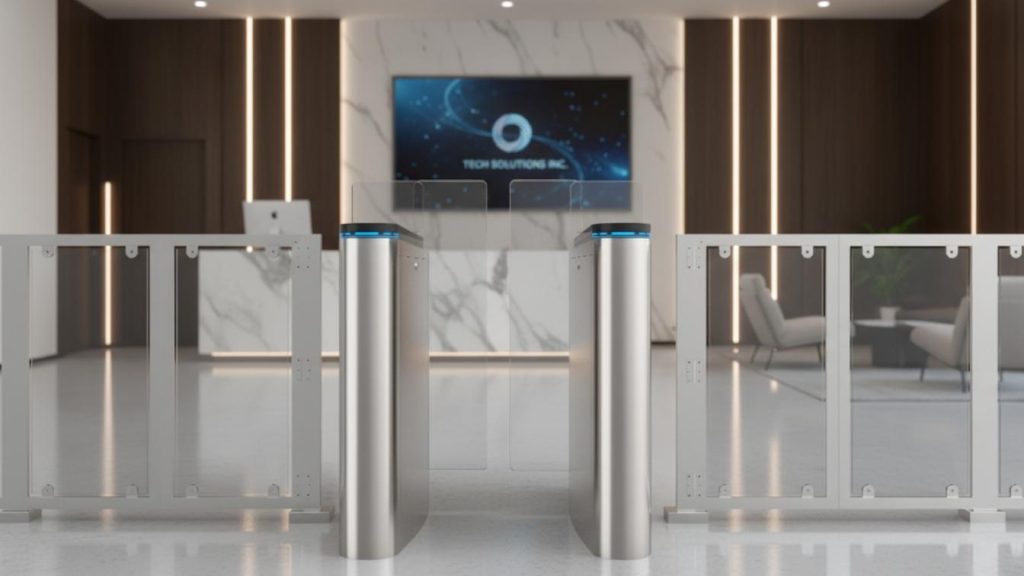
Why Turnstile with Access Control Integration Matters
If you still buy turnstiles and access control as two separate systems, you probably feel the pain already. Costs go up, maintenance gets harder, and the user experience suffers. When we visit sites with security or facility teams, a few common issues come up again and again.
Security and convenience often pull in opposite directions. A simple mechanical gate can block intruders, but it also slows down staff, visitors and contractors. Guards end up constantly pressing buttons, checking passes and helping people through. In a busy lobby or factory entrance, that means queues, pressure on staff and complaints from users.
Another headache is tailgating and “buddy punching”. One badge, several people walk through together. Or one employee clocks in for a colleague who is late. Without a physical device that is directly linked to your access rules, this behavior is difficult to detect and even harder to stop. It also damages the accuracy of your attendance and access logs.
On top of that, many sites still run several separate systems: one for doors, one for attendance, one for canteen payments, one for visitors. These systems do not always share data. Every time a user joins or leaves, the admin team has to update information in multiple places. That wastes time and increases the risk of errors or outdated permissions.
A Turnstile with Access Control Integration helps close all of these gaps. The turnstile becomes a physical checkpoint for identity, rights and passage. When the access controller approves the credential, the lane opens in a smooth motion. If access is denied, the barrier stays locked and the system records the event instantly. By linking digital rules to physical movement in one place, buildings gain both stronger protection and cleaner, more useful data.
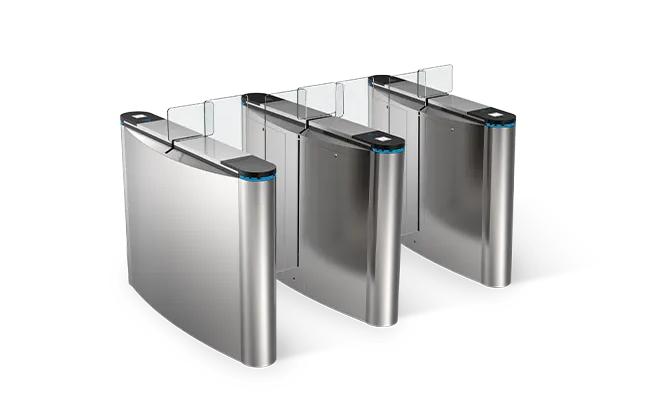
What Makes Turboo Turnstiles Different in an Integrated System
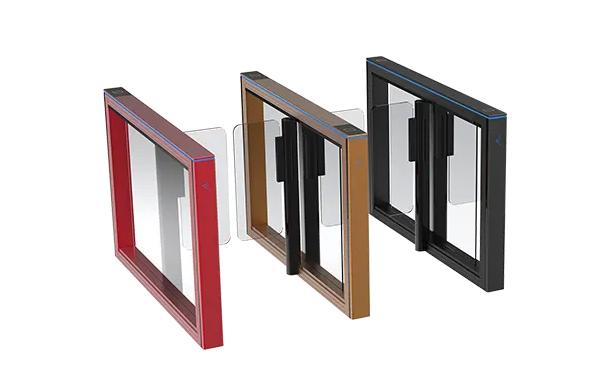
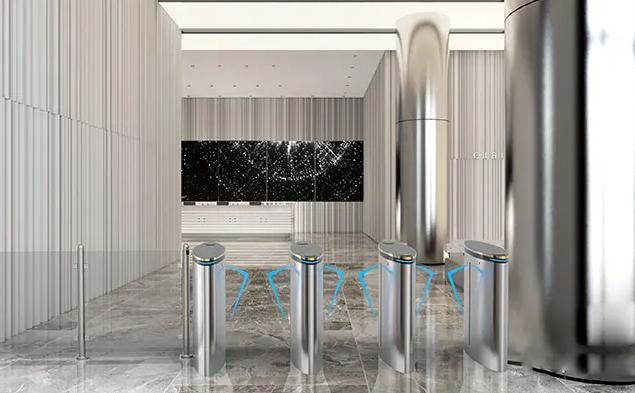
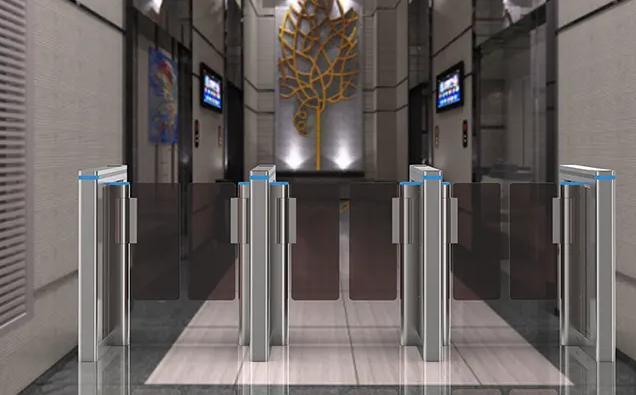
Turboo waist-high sliding turnstiles are built from the ground up to act as part of a connected access platform. We focus on three things that matter most on site: reliable mechanics, smart safety functions and simple system integration.
Our drive mechanism is engineered for smooth, low-noise operation. This matters more than it first appears. In an office lobby, hospital corridor or public building, a loud mechanical sound repeated hundreds of times a day quickly becomes a nuisance. Quiet motion, stable operation and long service life help keep the environment comfortable while still enforcing strict access control.
- Safety, Flow and User Comfort
Beyond the mechanics, Turboo integrates a range of practical safety and flow features into each lane:
•Anti-tailgating and anti-reverse logic helps stop people from following closely behind a valid user or from forcing their way back through the lane in the wrong direction.
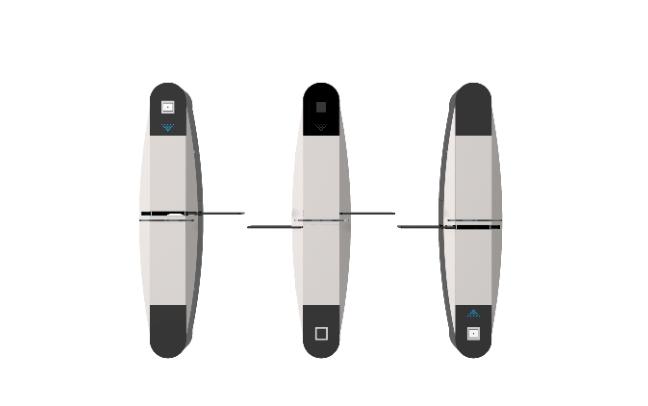
•Clear LED indicators show green for a valid card and red for an invalid one, guiding users even in high-traffic or noisy spaces.
•Selectable card memory modes let you choose between “with memory” (several passes after multiple valid swipes) or “without memory” (one card, one passage). This makes it easy to adapt to different HR or visitor policies.
•Automatic reset means that if a user presents a valid credential but does not pass within the set time, the gate returns to its locked position, keeping the area secure.
•Power-off drop-arm function opens the lane in case of power failure or emergency, creating a clear escape path. Remote control options let security staff trigger this behavior when needed.
Together, these features turn each Turboo unit into a smart entrance point rather than a simple barrier. A Turnstile with Access Control Integration from Turboo reacts in a predictable way in real-world scenarios: peak-hour rush, emergency evacuation, one-by-one validation or controlled visitor access.
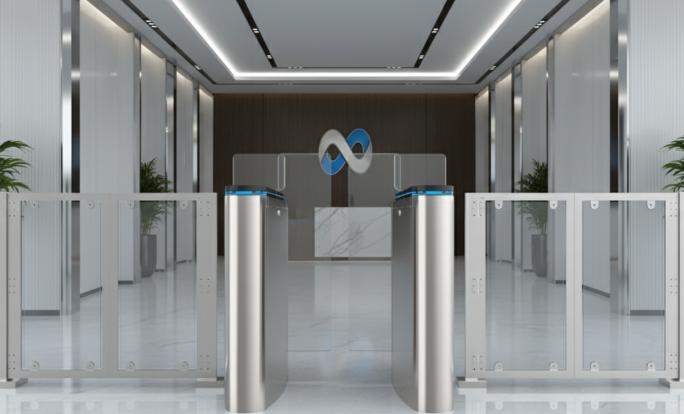
- Built for Seamless Connection and Future Expansion
For integrators and technical teams, the biggest question is often: “How hard is it to connect?” Turboo turnstiles are designed with a unified, standard external electrical interface that works smoothly with most mainstream access control panels. This reduces custom wiring, speeds up installation and simplifies maintenance.
In terms of identification methods, Turboo lanes are ready for today’s mixed environments. They can work with:
•IC and ID proximity cards
•QR and barcode readers for temporary or mobile passes
•Face recognition terminals at the gate
This means you can start with simple cards and later add scanning or biometrics without replacing the turnstile itself. The same hardware can be extended to support attendance tracking, fee collection or visitor management by connecting to the right software modules.
For outdoor projects such as factory yards, school gates or construction sites, Turboo turnstiles can be deployed as a complete lane with a single machine. The structure and control logic are designed for long-term, stable operation in harsher conditions, while still maintaining accurate, recorded access.
Planning a Turnstile with Access Control Integration Project
When you prepare a new project, it helps to view the entrance not as a single device, but as the first step in your entire access journey. A well-planned Turnstile with Access Control Integration can reduce long-term costs, simplify operation and improve safety for everyone on site.
Start by understanding people flow. How many users pass through in the morning rush? Are they mostly employees who know the system, or visitors who need guidance? Sliding turnstiles with clear passage, status lights and fast opening speed reduce hesitation and keep the line moving while allowing you to enforce one person per authorization.
Then, review where the lane will be installed. Indoor lobby, semi-open canopy or fully outdoor gate? Different environments require different protection levels and mechanical designs. Choosing hardware that is matched to the location helps avoid downtime due to temperature, humidity or dust.
Finally, map your digital systems. Which access control platform is already in place? Is it important for HR and finance to receive precise attendance or payment data directly from your entrance system? Do you have plans to introduce face recognition or mobile access later on? An integrated Turboo solution, built on standard interfaces, is designed to support these needs and protect your investment in the long term.
When evaluating vendors or integrators, a simple checklist can guide the conversation:
•Can this turnstile integrate cleanly with our existing access control and software tools?
•Does it support cards, QR codes and biometrics today, with room to expand to new credentials?
•Is it designed for low-noise, long-term operation under our traffic level?
•Are security functions like anti-tailgating, auto reset and safe power-off behavior built in?
At Turboo, we work with system integrators, contractors and end users to turn these answers into a clear, practical entrance design. We help you select the right lane type, define the integration points and plan for future scalability, all around a robust Turnstile with Access Control Integration.
If you’re reviewing your building entrance or planning a new site, get in touch with Turboo. Share your layout, visitor flow and system requirements, and we’ll help you design an entrance that is secure, efficient and ready for the next generation of access control.