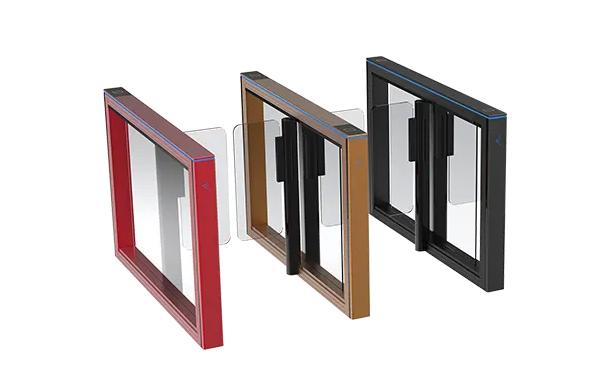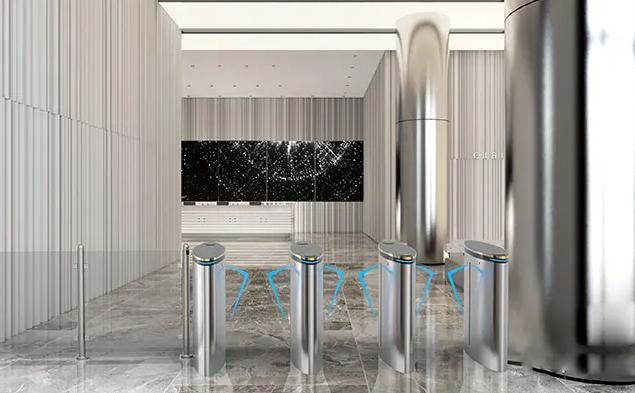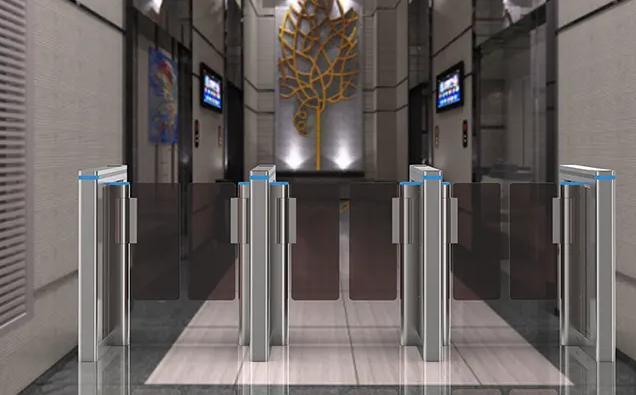




What Memory Cards Do in a Turnstile Gate With Card Reader?

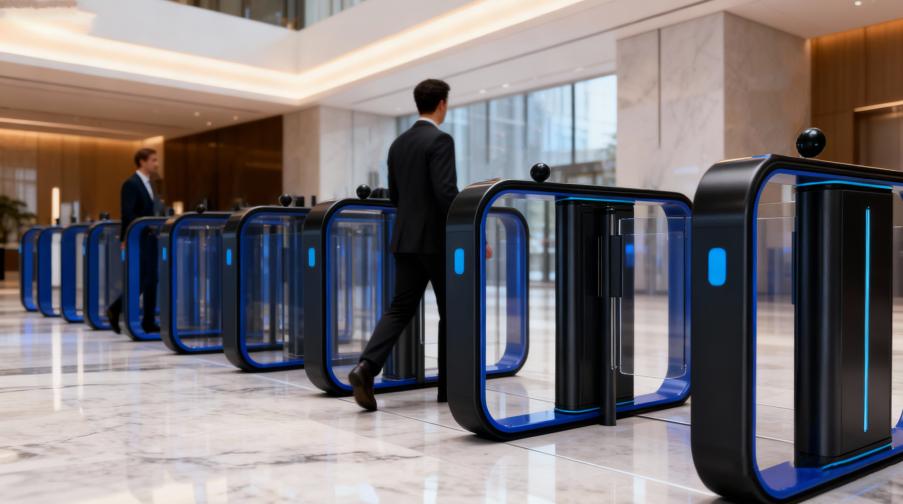
Turnstile Gate With Card Reader is more than a barrier – it’s a small computer that manages who goes where and when. If you’ve ever wondered why some entrances flow smoothly at rush hour while others jam up, the answer often hides in one simple setting: card “memory.” Let’s unpack what memory cards do, why they matter, and how a modern, compact flap barrier can turn everyday access into a predictable, safe, and quiet experience.
What Memory Means in a Turnstile Gate With Card Reader
In a Turnstile Gate With Card Reader, “memory“ is a logic feature. When the system is set to “with memory,” it can remember multiple valid swipes and release people one by one in order. The flaps open for one person, close, then open again for the next verified user, and so on. This stops tailgating while keeping the line moving.
Without memory, the gate validates one person at a time and expects an immediate pass. If the person does not pass in time, the gate returns to the locked state and the next person must present a card again. Both modes are valid; they simply serve different crowd patterns.
- The Problem Memory Solves
By queuing approved entries, memory prevents crowd frustration at busy times. It also allows the controller to enforce “one person per authorization” while avoiding gaps that invite tailgating. In short, memory brings order to peaks without extra staffing.
How “With Memory“ Vs “Without Memory“ Changes the Queue
Think of a busy lobby at 9:00 a.m. With memory, people can tap their IC or ID cards in quick succession. The Turnstile Gate With Card Reader then processes each pass safely, dropping the flaps between users to maintain separation. Traffic looks steady and calm.
In quieter areas, “without memory” keeps control tight. Each pass only stays valid for a short window. If no one walks through, the gate resets automatically. This makes sense for doors that must default to a secure state and where queues are rare.
n When to Use Each Option
• With Memory: Choose it for peak traffic at offices, campuses, and transit-adjacent sites. It shortens lines without sacrificing control.
• Without Memory: Use it for low-traffic entrances, server-room corridors, or spaces where you want a pass to expire if not used immediately.
Smarter Flow Control: Anti-Tailgating and Auto-Reset
A well-designed compact flap barrier gives you more than a pass/no-pass result. It helps you manage behavior at the lane and reduce misuse. The gate’s anti-tailgating and anti-reverse pass functions ensure that even during rush hour, only one person moves per authorization and no one slips in the wrong way. If a card is read but the user hesitates, auto-reset re-engages the lock after the configured delay. The net effect is fewer forced cycles, fewer nuisance alarms, and less uncertainty at the lane.
What you gain:
• Smoother Mornings: Pass memory is retained; auto-reset keeps logic tidy when minds change.
• Fewer Violations: Anti-tailgating and anti-reverse pass limit unauthorized entries without confrontation.
• Predictable Throughput: Lines move at a steady cadence, even when people arrive in bursts.
This intelligent flow control pairs with a low-noise drive and smooth mechanics. Your lobby feels calm rather than mechanical. Over time, the system’s long service life translates to predictable operations and lower total costs.
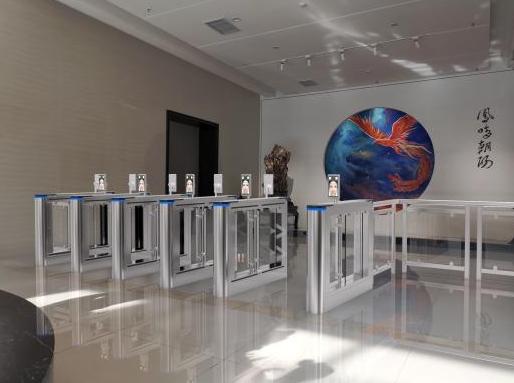
Safety That Feels Friendly: Infrared Anti-Clip
Security should never feel harsh. The infrared anti-clip function watches for people and objects when the gate is open or running. If something is in the way, movement stops. This protects bags, strollers, and, most importantly, people. Combined with the gate’s smooth motion and reduced noise, the result is a quiet, polite experience that earns user trust. Employees and visitors learn to walk through without worry, and facilities teams spend less time on incident follow-up.
• Integrations That Fit Your Campus Or Office
Your Turnstile Gate With Card Reader should fit your credentials, not the other way around. The compact flap barrier supports IC and ID cards, scanning (such as QR), and face recognition. That means you can adopt a single lane type across different buildings while matching each site’s authentication method.
• Future-Proof Access Choices
Today you may rely on badges; tomorrow you might add a scan-to-enter option for visitors. With flexible hardware and control logic, you can evolve without replacing lanes:
✓ Cards: IC/ID for fast, familiar employee access
✓ Scanning: QR or codes for guests and pop-up events
✓ Face Recognition: Hands-free, convenient for high-security zones
This flexibility also extends to working modes. You can run the lane normally closed for everyday security or set it to normally open for events, then toggle back without re-wiring. For facilities with varying flows, that agility is gold.
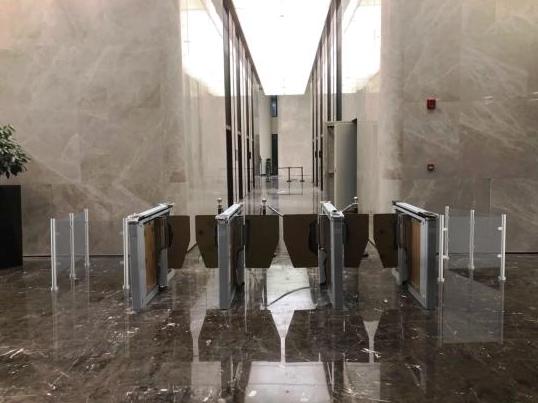
Choose the Right Working Mode and Take Your Next Step
Different sites need different rules. A Turnstile Gate With Card Reader supports:
• Two Modes Of Operation: Normally open or normally closed, to match your security posture and energy-saving plans.
• Various Working Modes: Two-way card reading for bi-directional flows, or one-way card reading to prioritize entry control while keeping exits fast.
Tie these modes to your memory setting, and you get a tailored experience:
• Busy Lobby, Tight Control: Normally closed + with memory + two-way reading.
• Event Day, Fast Entry: Normally open + with memory + one-way reading for inbound flow.
• Sensitive Area, Strict Pass Use: Normally closed + without memory + one-way reading.
Call to Action
Ready to see how memory logic can clean up your morning rush and cut tailgating without adding staff? Talk to our team for a quick demo of the compact flap barrier’s memory and safety features. We’ll help you choose the right operating mode, integrate your IC/ID cards or scanners, and set the auto-reset time that fits your space. Reach out for a configuration checklist and a live walkthrough – your quieter, safer, smoother lobby is one decision away.
In the end, memory is simple: it tells the Turnstile Gate With Card Reader how to treat every valid tap – with a calm, orderly sequence or a pass that must be used right now. Pair that with anti-tailgating, anti-reverse pass, infrared anti-clip, smooth and low-noise mechanics, and flexible modes, and you turn a gate into a genuine access experience.