



How an Automatic Turnstile Gate Manages Dual-Direction Flow Efficiently

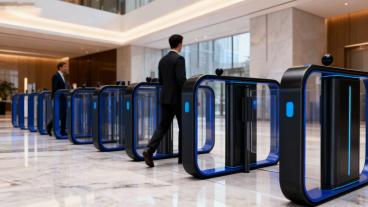
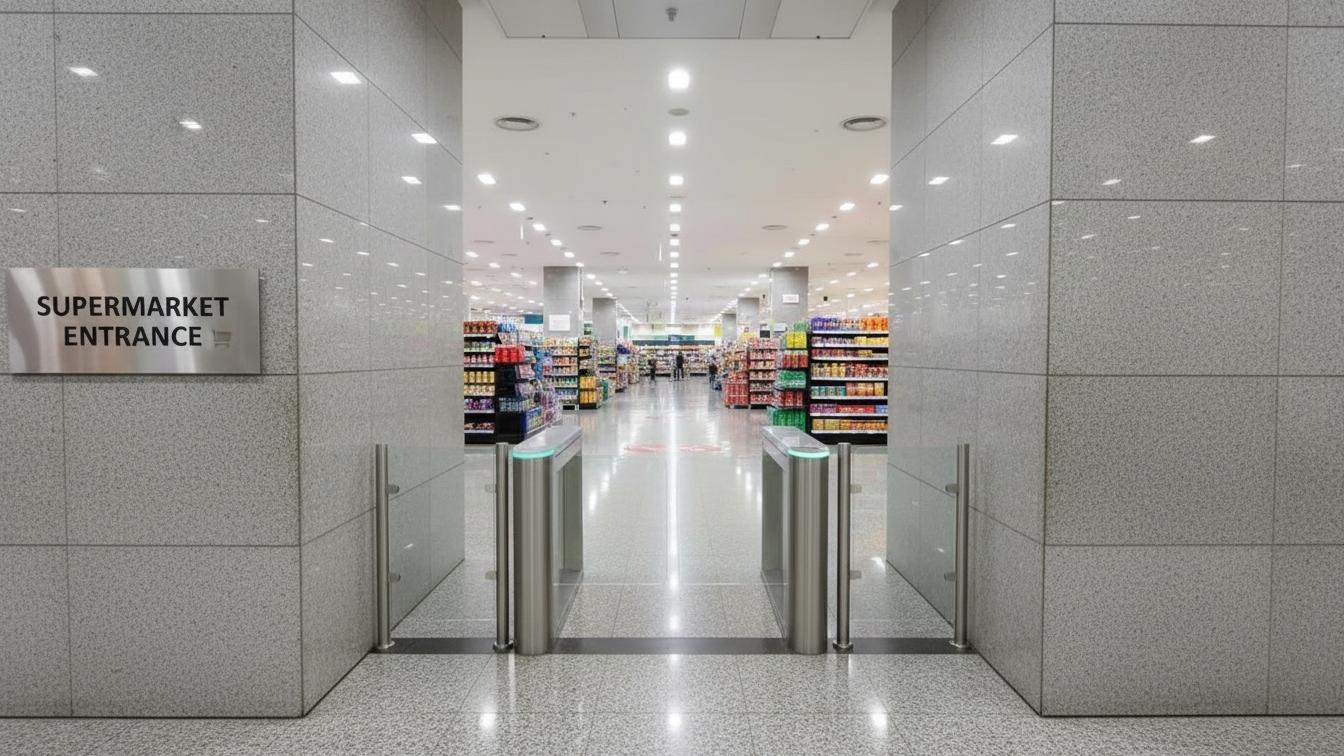
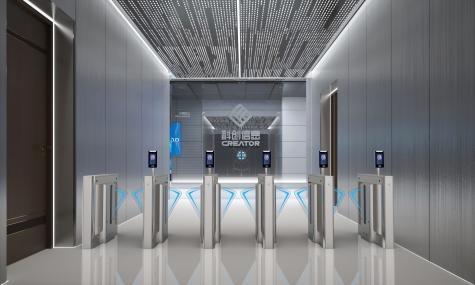
Automatic Turnstile Gate systems are quietly becoming the “traffic managers” behind modern, high-traffic entrances. In shopping malls, office towers, campuses, and metro stations, people move in and out at the same time, all day long. If this two-way movement is not handled well, the result is obvious: queues, confusion, and security gaps. A well-designed Automatic Turnstile Gate tackles this problem with smart sensing, flexible working modes, and an experience that feels natural to the user.
Why Dual-Direction People Flow Is Hard to Control
At first glance, using one lane for both entry and exit sounds efficient. In real life, facility managers know it can be a headache.
During peak hours, people rush in both directions. Some are in a hurry for a meeting, some are looking for the right building, some are just following the crowd. In this “mixed” traffic, several typical issues appear:
✅People follow closely behind others to save time, or to sneak in without permission.
✅Visitors walk in the wrong direction, especially in complex offices or public buildings.
✅Guards need to keep correcting behavior instead of focusing on true security risks.
Traditional mechanical turnstiles and basic swing gates were not built for this reality. They are often loud, slow to respond, and lack the intelligence to recognize direction or unusual behavior. More importantly, they struggle to balance three core goals at the same time:
•Speed – people expect to pass quickly with almost no waiting.
•Security – only authorized users should be allowed through.
•Comfort – the passage should feel open and safe, not stressful.
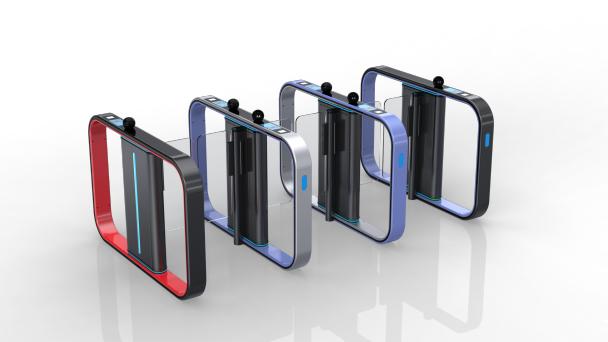
This is where a new generation of optical speed gates, such as the Dual-direction Optical Speed Gates LA3220, comes in. This type of Automatic Turnstile Gate is designed specifically to manage dual-direction flow, using sensors and control logic to allow smooth, legal passage while reacting instantly when something looks wrong.
Inside the LA3220 Automatic Turnstile Gate
The LA3220 is built around a clear principle: let normal passage stay smooth, and only step in when there is a real issue. It combines mechanical design, sensors, and software into a single, coordinated system.
- Reliable, Quiet Hardware for Everyday Use
Entrances in busy buildings may be opened and closed thousands of times a day. That means reliability is not a “nice to have”; it is critical.
The LA3220 is engineered for:
✅Low noise – the gate can be used in premium office lobbies, hotels, libraries, and corporate headquarters without creating a disturbing background sound.
✅Smooth movement – the wings open and close in a controlled way, avoiding harsh or sudden motions that might make users nervous.
✅Long service life – a stable mechanical structure reduces failures and maintenance visits, keeping the Automatic Turnstile Gate online as close to 24/7 as possible.
Instead of being treated as a simple accessory, this gate becomes part of the building infrastructure, just like elevators or air conditioning.
- Smart Traffic Logic: Anti-Tail, Anti-Reverse, Auto Reset
To handle two-way flow, the Automatic Turnstile Gate must do more than open and close. It has to understand what is happening in the lane. The LA3220 uses optical detection and logic rules to manage this:
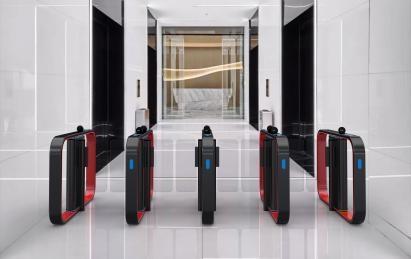
✅ Anti-tailgating
When one authorized user presents a card or passes face recognition, the system expects exactly one person to move through. If sensors detect two bodies trying to pass on a single authorization, the gate can stop, alarm, or flag the event. This helps remove “free ride” entries without slowing down honest users.
✅ Anti-reverse passage
If the lane is configured as entry-only or exit-only at certain times, the LA3220 can detect movement in the wrong direction and automatically block or alert. That keeps people flowing in an organized way, especially in narrow corridors or emergency routes.
✅ Automatic reset
Sometimes a user swipes a card but then stops to answer a phone call, check a message, or turn back. The gate will not stay “unlocked” indefinitely. After a preset time, it returns to its secure, closed state. This closes hidden security gaps and keeps the system ready for the next user.
Together, these functions allow the Automatic Turnstile Gate to manage both directions largely on its own, reducing the need for constant manual supervision.
- Safety in Motion: Infrared Anti-Clip Protection
High-speed access control must still be safe. The LA3220 uses infrared beams to watch the passage area:
•It monitors the lane as the wings start to open.
•It continues scanning while the panels are moving.
•If a person, suitcase, or object is detected in the closing path, the gate can stop or reopen.
This “anti-clip” protection helps prevent pinching or impact. It is especially important in places where children, elderly people, or travelers with bags and trolleys move through every day. When users feel that the Automatic Turnstile Gate is safe and predictable, they walk more confidently and the whole line moves faster.
- Flexible Authentication and Modes for Real-World Scenarios
No two buildings share the same access rules. The LA3220 is designed to adapt instead of forcing one rigid model.
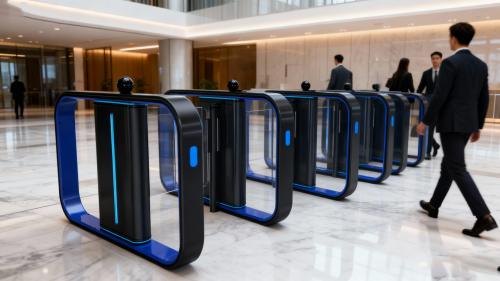
It supports a wide range of identification methods:
✅IC / ID proximity cards
✅QR or barcode scanning on phones or paper passes
✅Face recognition and other biometric devices
On the control side, the gate can be configured in different working modes:
•Two-way card reading, where both entry and exit require authentication.
•One-way card reading, for example card required for entry but free exit.
•Normally open or normally closed operation, depending on safety, energy saving, or policy needs.
This flexibility makes it easy to integrate the LA3220 into existing access control platforms and to use the same Automatic Turnstile Gate model in offices, factories, dormitories, and transport hubs with different rules.
From Crowd Control to Measurable Business Value
A dual-direction Automatic Turnstile Gate such as the LA3220 is more than a security device at the door. It influences user experience, daily operations, and even brand perception.
When entrances are fast and orderly, employees start their day with less stress. Visitors feel that the building is modern and well managed. By automating routine access control, reception and security teams no longer need to stand next to the lane all day managing people flow. They can refocus on visitor support, incident response and overall security. Maintenance teams also gain from lower wear and tear, fewer urgent calls and more predictable maintenance planning.
In simple terms, a smart optical speed gate turns an entrance from a stress point into a reliable, measurable flow channel.
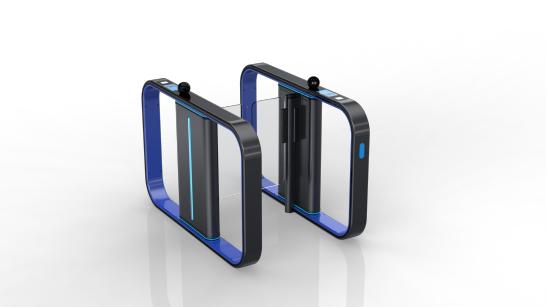
For owners and integrators, deploying an Automatic Turnstile Gate often brings:
✅Higher lane capacity during morning and evening peaks
✅Improved access discipline and fewer chances for “free rides”
✅A more polished, high-tech image in the lobby or reception area
✅Savings on long-term operating and maintenance costs
If you are planning a renovation or expanding your building, it makes sense to position the Dual-direction Optical Speed Gates LA3220 as a central Automatic Turnstile Gate in your access control roadmap.
Call to Action
Map your current entrances on a simple sketch: mark where queues start, where direction conflicts happen, and where security is hard to enforce – those are the first candidates for an Automatic Turnstile Gate upgrade. Map those pain points, then talk with your access control provider about deploying dual-direction Automatic Turnstile Gate lanes based on the LA3220. A small change at the gate can bring a big improvement to how your whole building moves.
Share on Social: